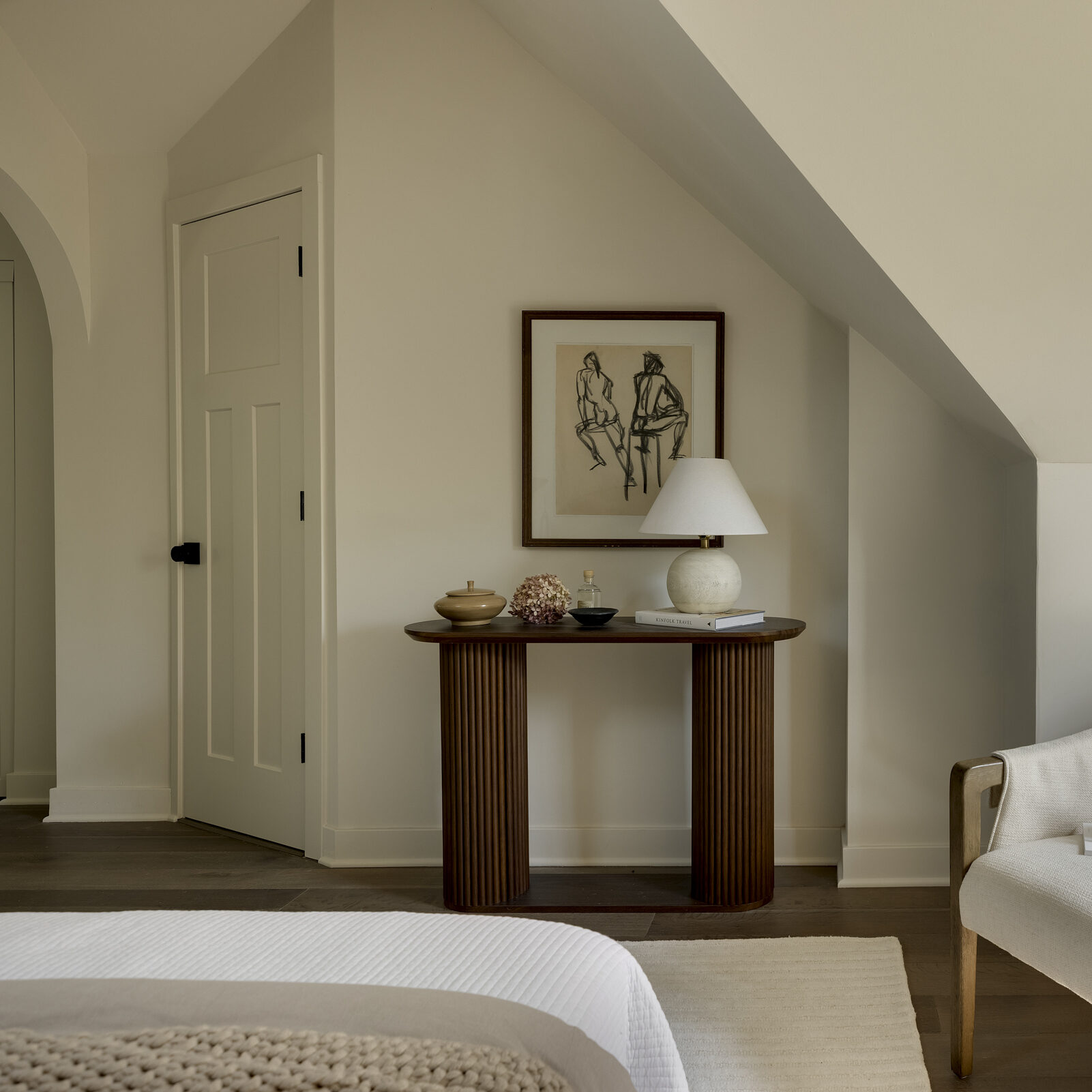
Buyers rarely walk into a home and think, “This house is staged wrong.”
What they feel, however, is harder to name, but often appears like this:
They move through the space quickly.
They don’t linger.
They struggle to imagine themselves living there.
On the surface, everything looks nice, but something doesn’t quite feel right.
This reaction is one of the most common responses buyers have to many traditionally staged homes. And while it often goes unspoken, it plays a major role in whether a home connects or quietly stalls.
At Drew Ave., we approached staging with this exact buyer experience in mind. Rather than treating staging as a final layer for marketing and photos, we used intentional home styling to reflect how buyers actually experience a space.
Because when a home feels warm and grounded, buyers respond immediately. When it doesn’t, they disengage just as quickly.
This is where intentional styling differs from staging.
Why Traditional Staging Often Misses the Mark for Buyers
While we’re not saying all staging is “bad” or “wrong,” we’ve found that traditional staging is inherently designed to work well in broad contexts. Furniture fills rooms. Accessories complete surfaces. The home looks finished, polished, and ready for market.
Sounds good, right?
Maybe. But maybe not.
From a buyer’s perspective, rooms arranged for symmetry or simply to fill space, rather than to be used, make it harder to understand how the space actually functions. Overfilled rooms distract from architecture and scale. Trend-driven or uber modern décor in a character or historic home creates confusion rather than clarity.
Buyers may not consciously analyze these details, but they definitely feel their impact.
Instead of relaxing into the space, they stay slightly guarded. Instead of envisioning life there, they mentally rearrange furniture or question the flow.
That subtle hesitation often interrupts emotional connection.
What Buyers Notice (But Don’t Say)
Buyers are constantly evaluating homes, even when they aren’t articulating it out loud. Here’s what many of them register instinctively during a showing:
- “This feels like a showroom, not a home.”
- “I can’t tell how I’d actually live here.”
- “Something feels off, but I can’t explain why.”
- “The furniture doesn’t match the house.”
- “It’s nice… but I don’t feel anything.”
These reactions don’t always lead to negative feedback. More often, they lead to indifference. Buyers leave without urgency, and the home blends into the rest of what they’ve seen.
And when buyers feel neutral, offers slow down or halt altogether.
How intentional styling changes the buyer experience
Buyers don’t need perfection.
They need permission.
Permission to imagine themselves sitting down.
Permission to move through the space naturally.
Permission to trust what they’re seeing.
That need for ease and familiarity is exactly where intentional home styling replaces formula-based staging.
In our work, staging is never separate from design; it’s an extension of it. We view it as intentional styling, rather than a standard stage, woven into the home’s overall vision from the outset. Rather than filling space for the sake of completeness, we use styling to reinforce what already exists, to highlight what we’ve carefully redesigned, and to support how buyers move through and experience the home.
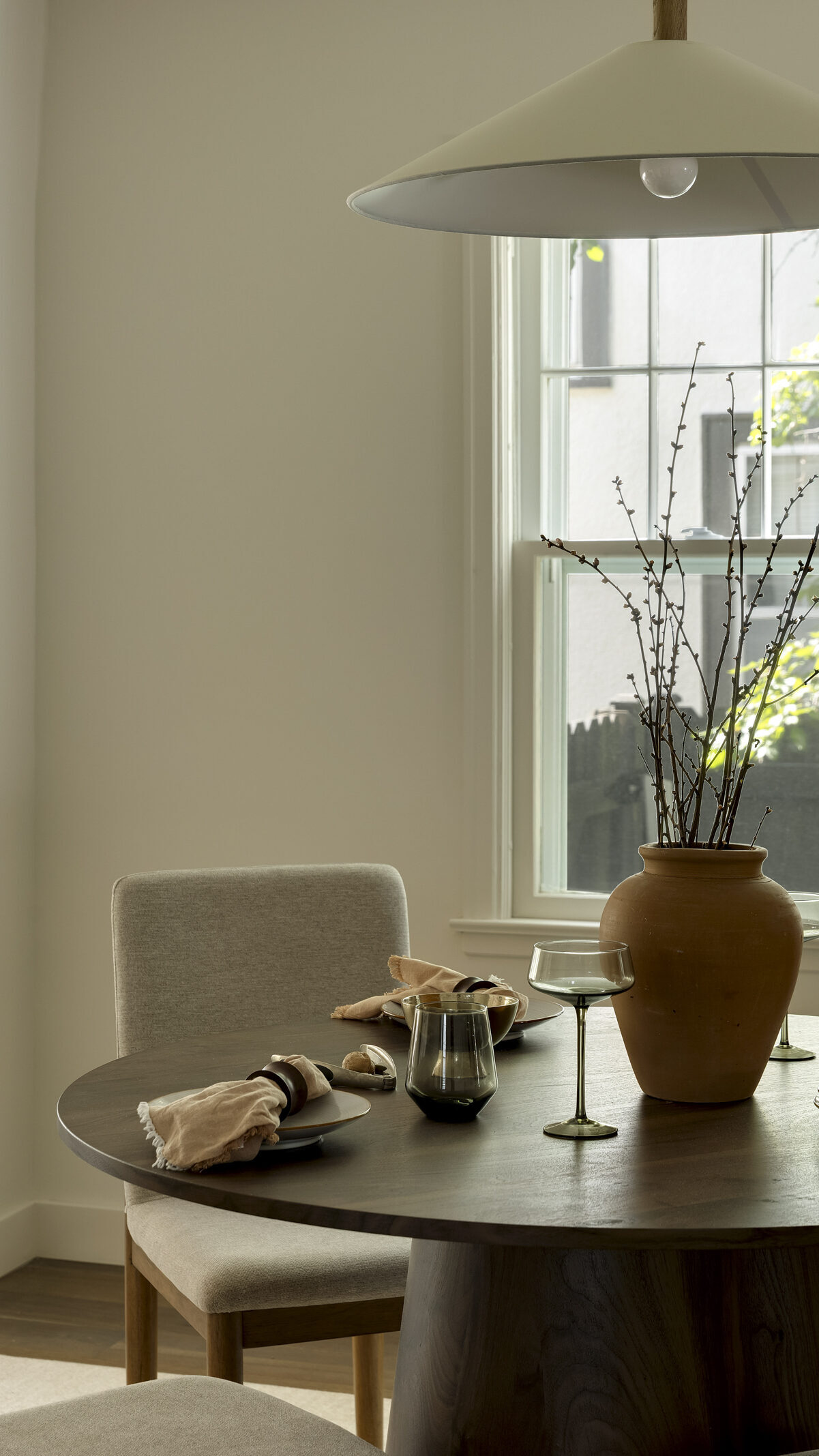
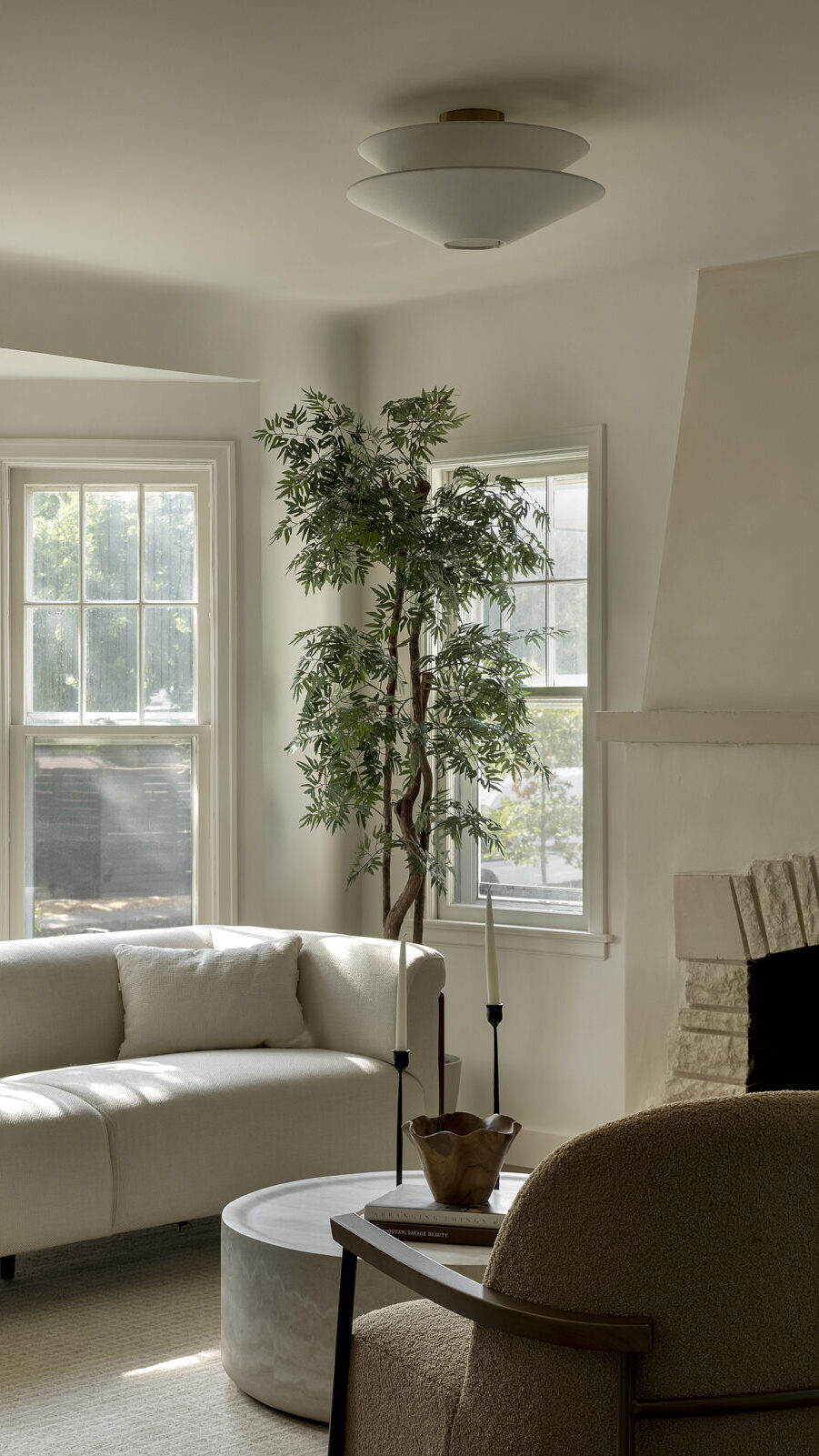
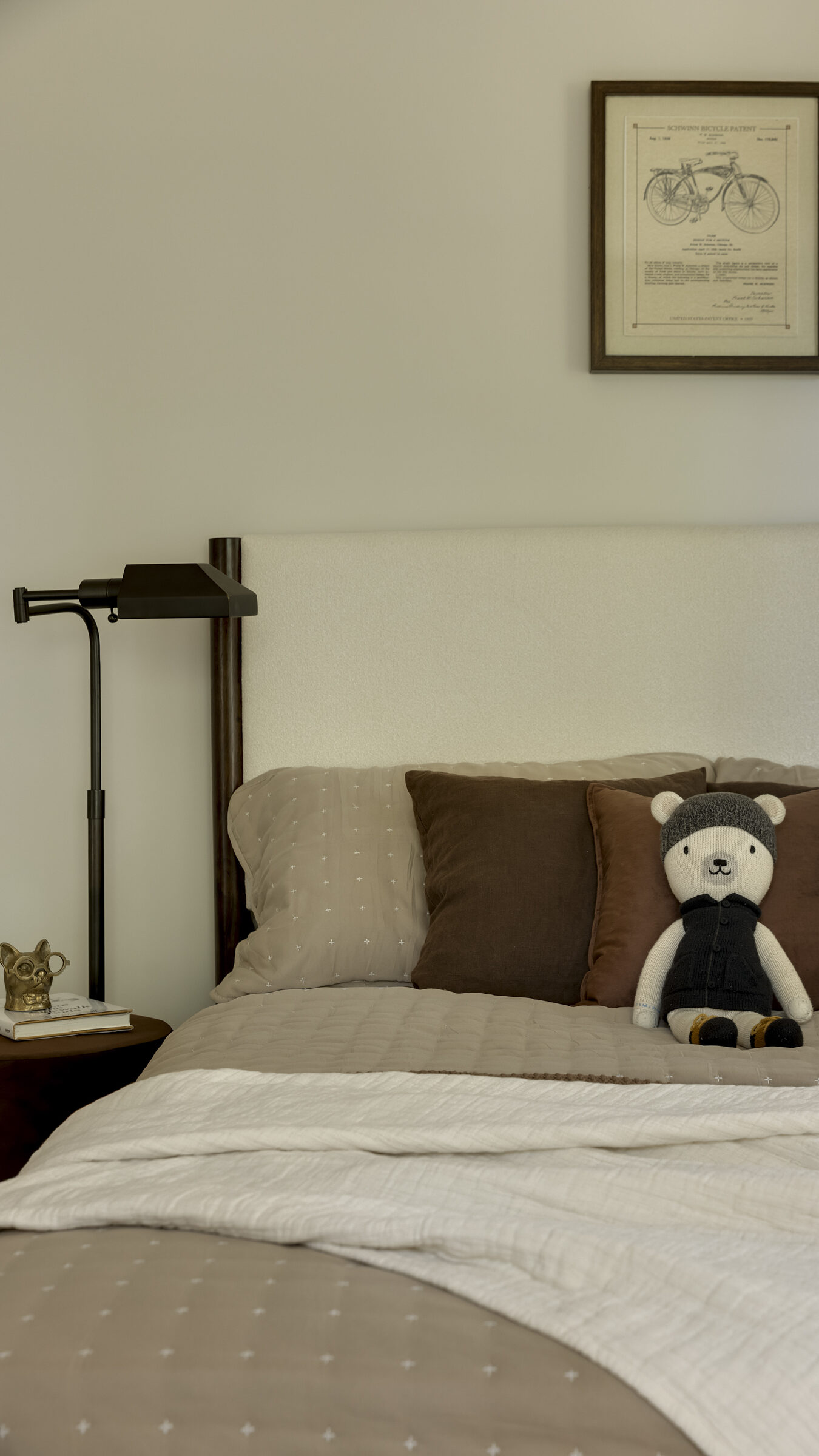
At Drew, that meant styling the home to feel lived-in rather than perfectly staged. Architecture, materials, and atmosphere led every decision. Styling was designed to support those elements, not compete with them, so the home feels natural, grounded, and easy to connect with.
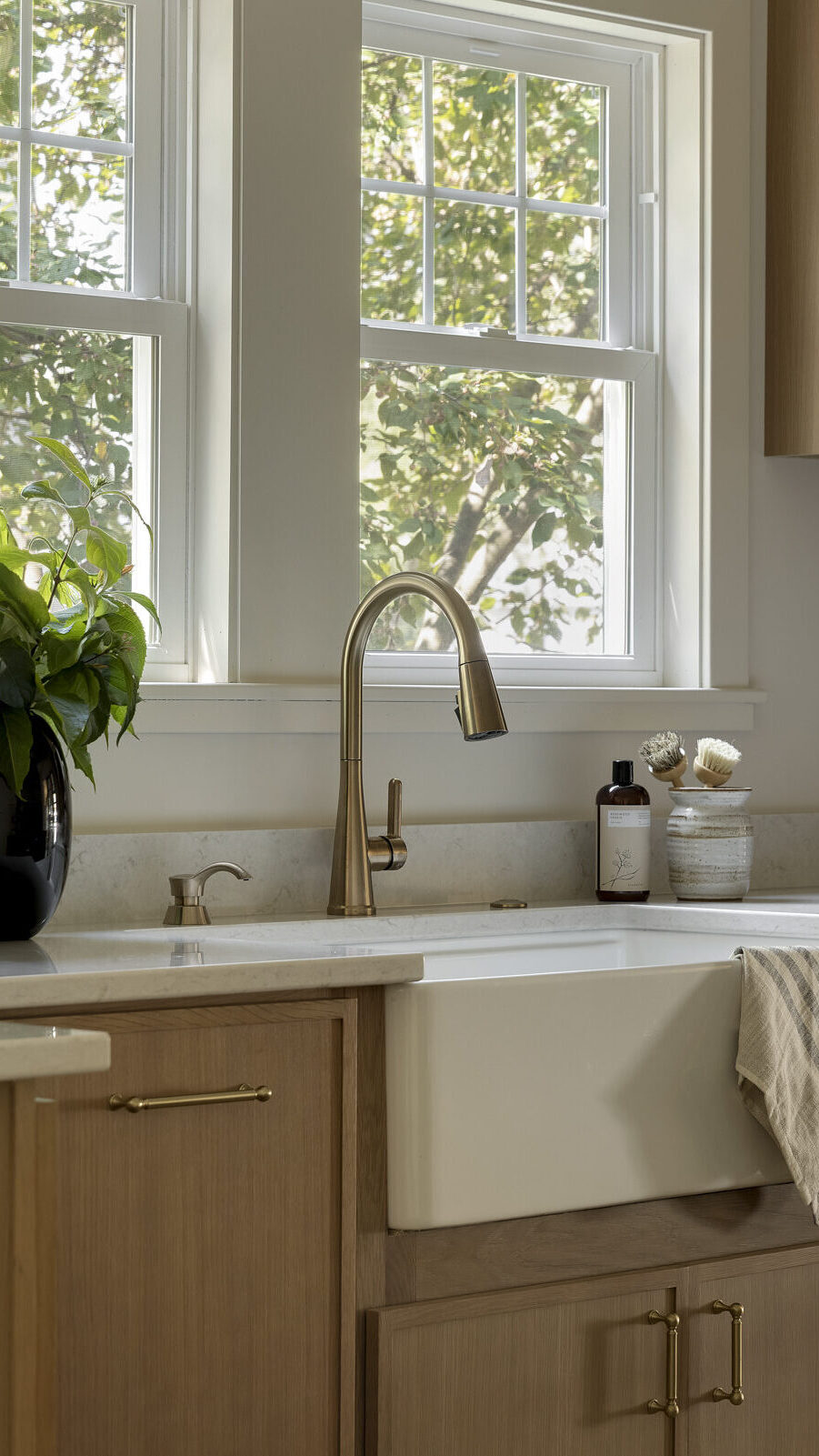
We chose materials that worked quietly in the background: soft linen, textural wool, warm wood, and natural stone. A restrained tonal palette allowed buyers to focus on proportion, light, and flow rather than décor choices.
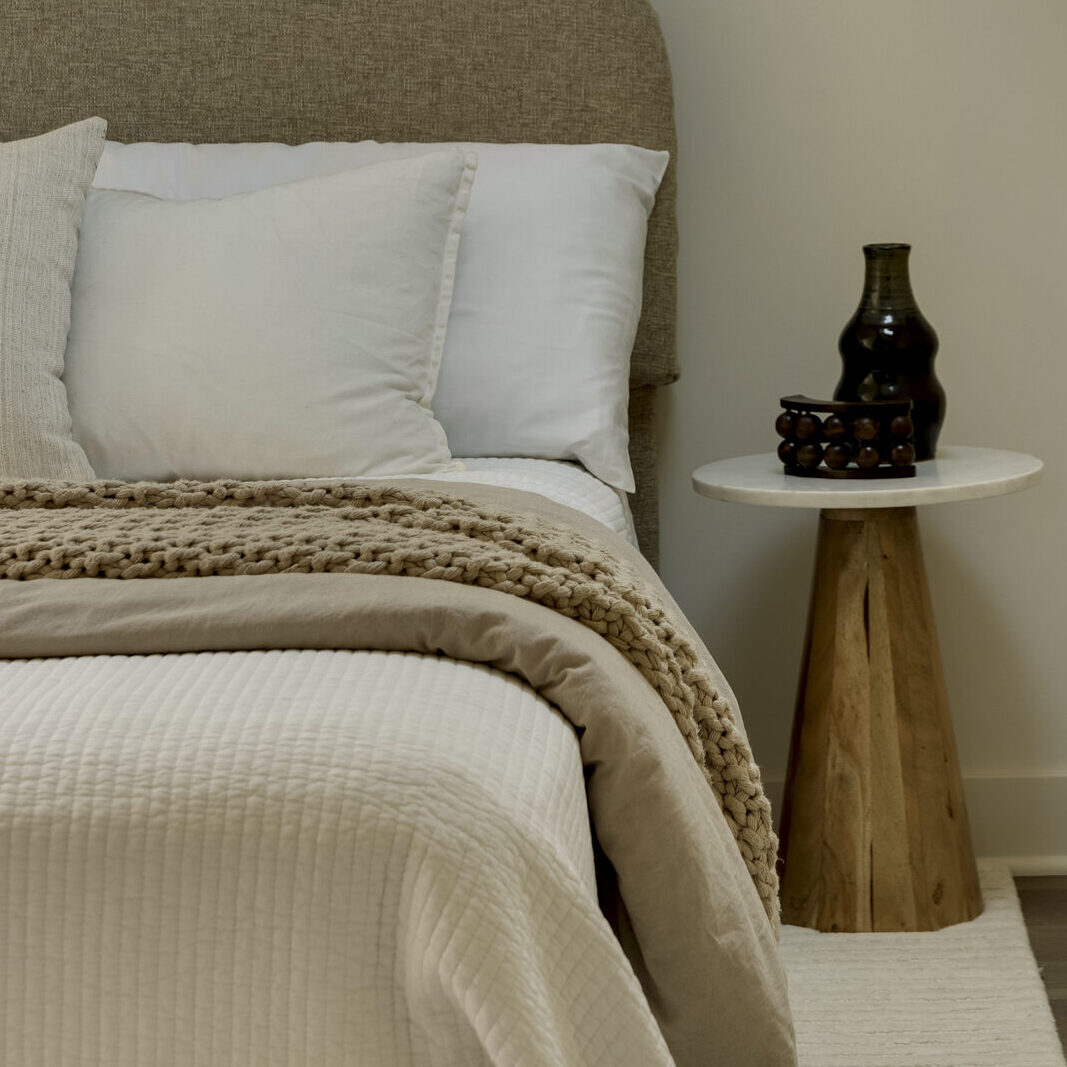
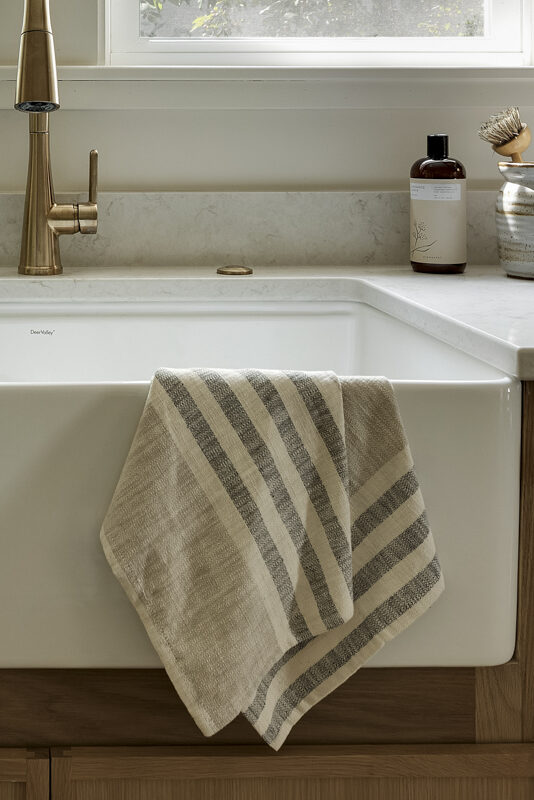
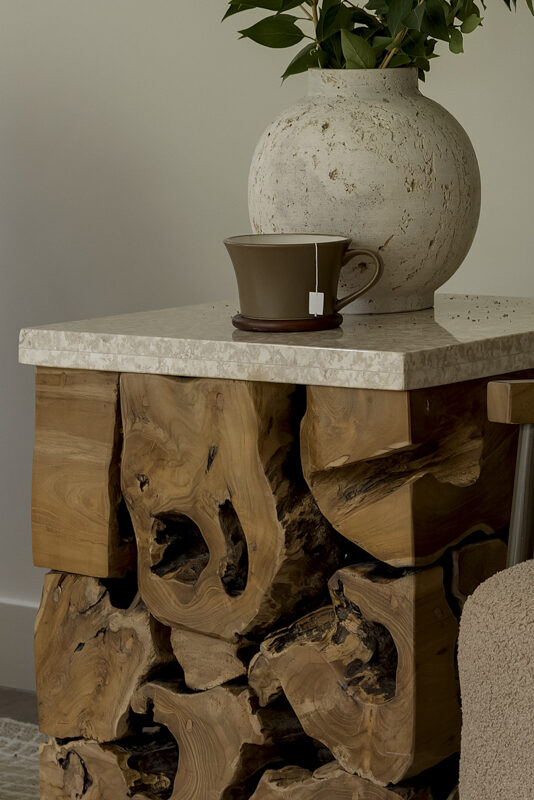

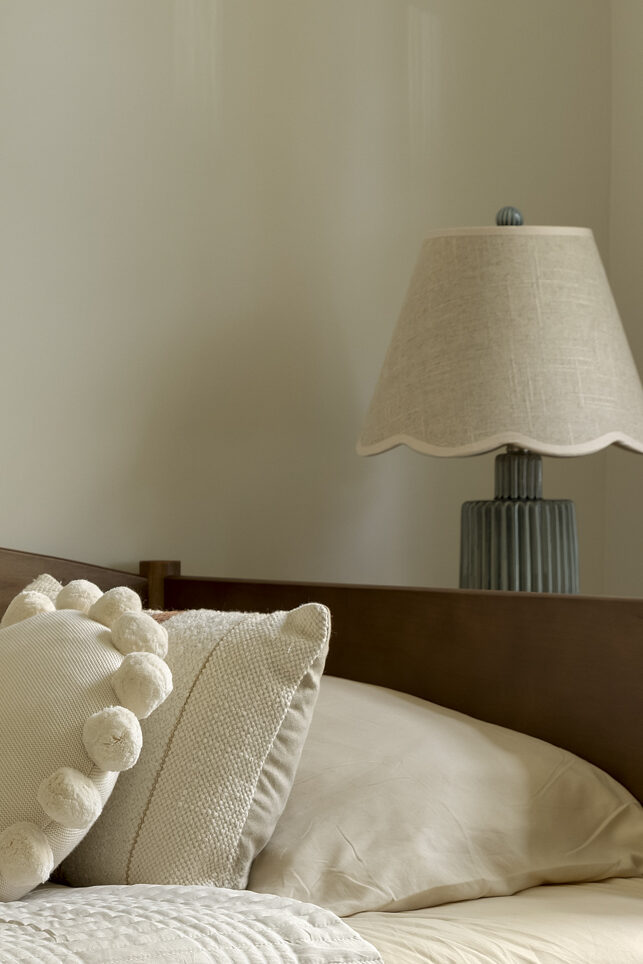
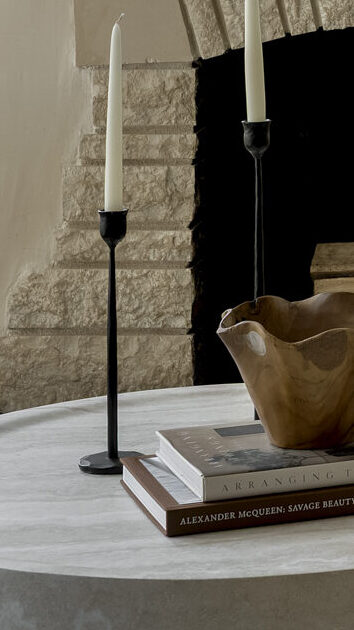
Explore the materials and details used throughout this home [here]
Just as importantly, we edited carefully. If an object didn’t add clarity or meaning to the space, we removed it. Too much staging pulls attention away from the home itself, which is what buyers are actually trying to understand.
Design research shows that elements like proportion, material, and light profoundly influence how we emotionally experience a space and connect with it beyond surface beauty. [How interior design affects emotional experience]
Inviting Imagination Without Over-Explaining
One of the clearest differences between staging and styling shows up in how a home invites imagination.
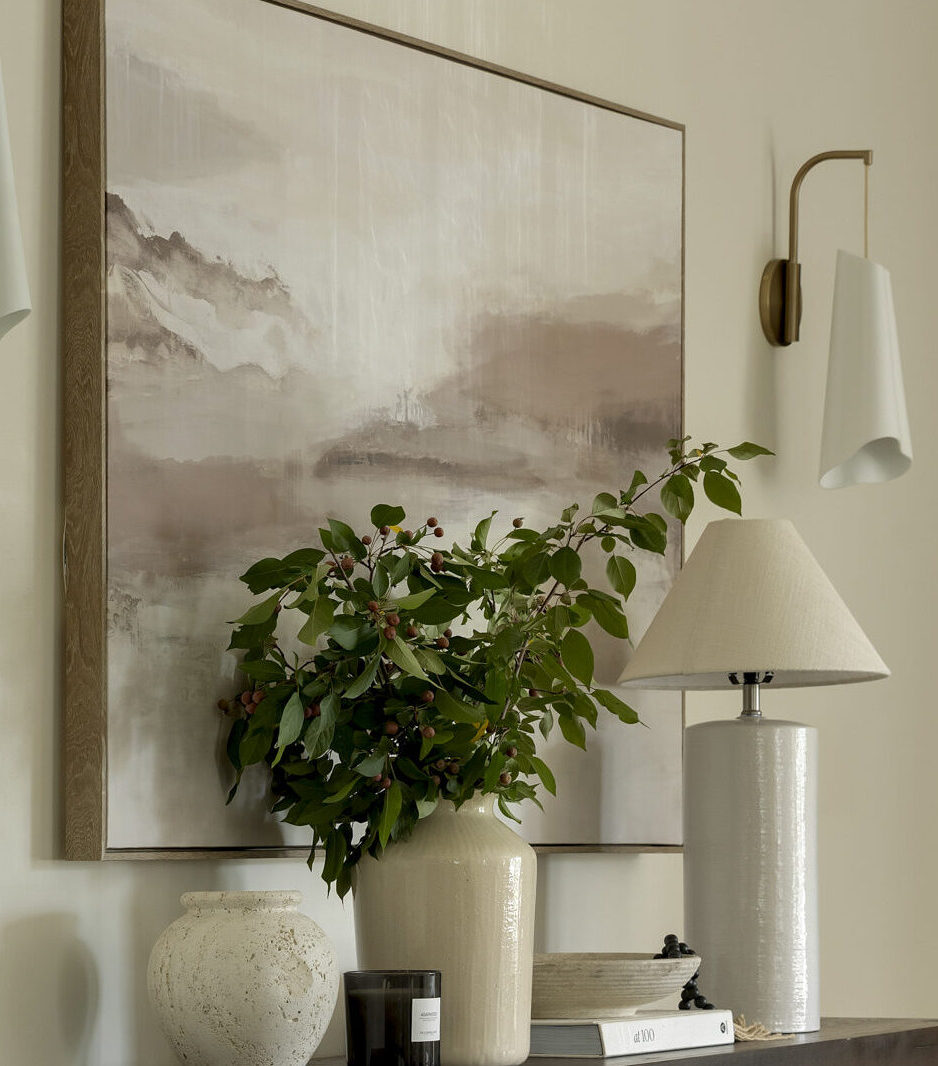
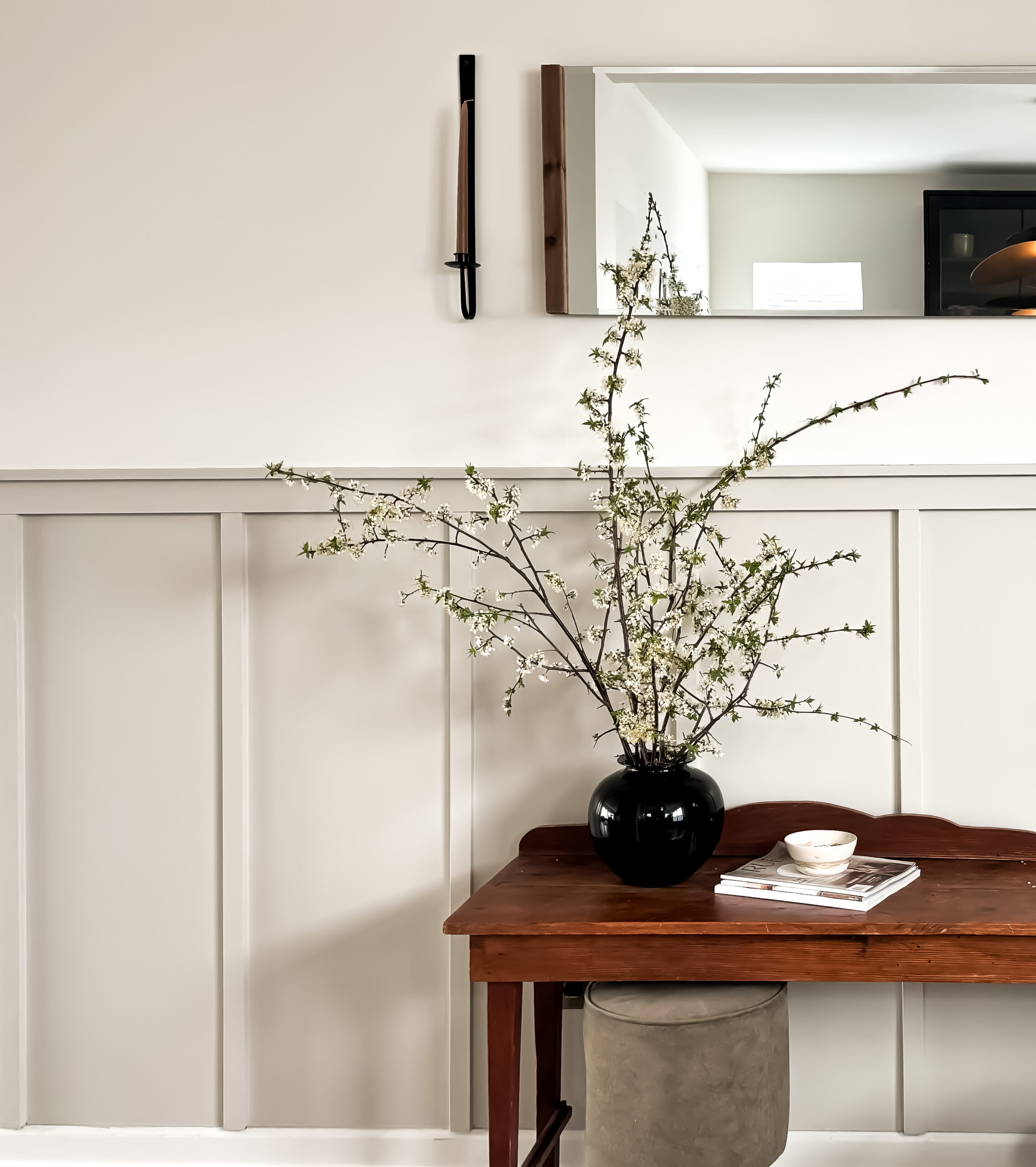
Instead of relying on decorative fillers or synthetic scents, we introduced natural elements: seasonal branches plucked from the backyard, soft florals, natural and elegant aromas, and objects that felt gathered rather than placed. These details weren’t designed to impress or perform. They were intended to soften the home and ground it in real life.
The dining table was styled for how people actually use it. Glasses rest casually. A small bowl waits for a snack. A chair sits slightly pulled back, as if someone just stood up to refill a glass of wine. Traditional staging often favors perfectly set tables with matching place settings and rigid symmetry; arrangements that look finished but rarely feel lived-in.
These moments matter because they feel familiar.
They suggest movement, presence, and use. The home stops feeling like a display and starts feeling livable. Buyers don’t have to imagine themselves there; the space does the work for them.
Letting the Home Lead the Conversation
Buyers also want clarity.
When staging overwhelms a space, it becomes harder to understand scale, circulation, and proportion. Buyers may wonder if furniture is hiding flaws or compensating for awkward layouts.
At Drew, restraint guided every decision.
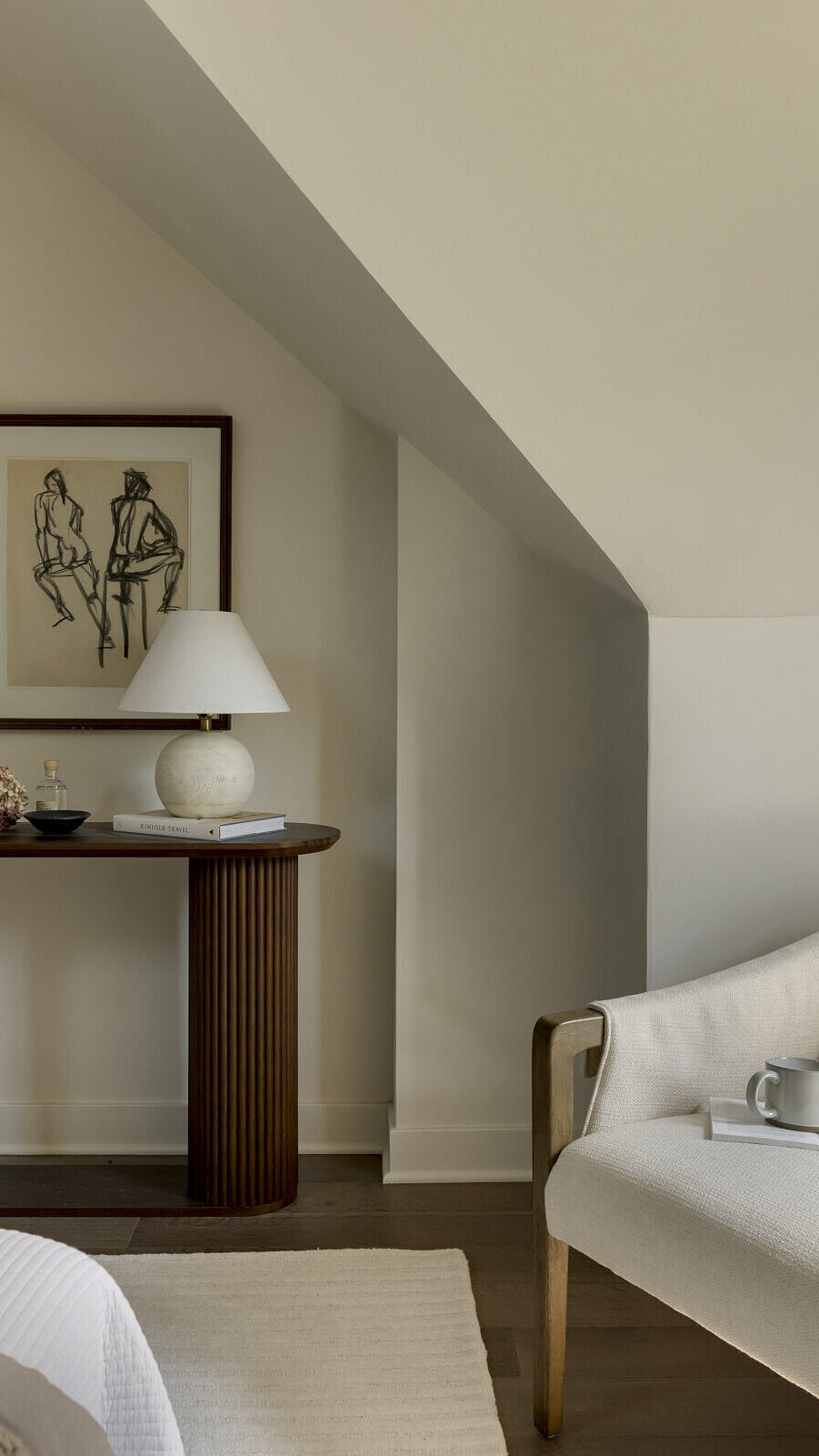
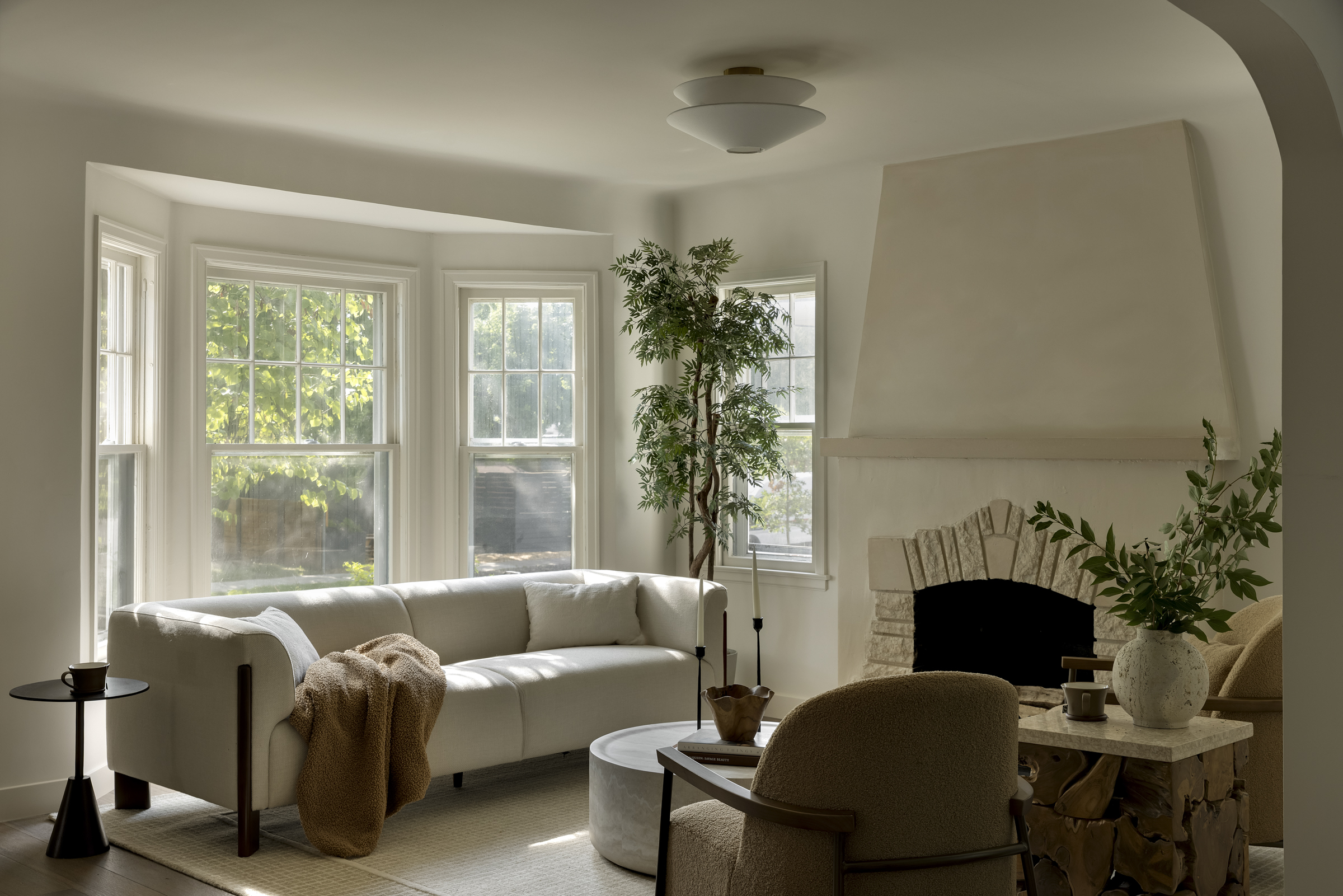
The home already featured strong architectural elements, plaster surrounds, oak flooring, arched openings, and sloped ceilings. Rather than layering over those details, we allowed them space to breathe.
Furniture was selected for proportion first. Nothing oversized. Nothing overly precious. Soft curves and quiet textures balanced the architecture without competing for attention.
As a result, buyers can trust what they see—and when buyers trust a space, they relax. Research on how the brain responds to the environment supports this, showing that spaces designed for cognitive ease and familiarity help people feel genuinely “at home.” [How spaces support cognitive ease and feeling at home]
We saw this play out firsthand during one of the Drew Avenue showings. A potential buyer settled into the back sunroom sofa and began casually discussing the home with her friend. She lingered long enough that we lit the fireplace and refreshed their beverages, allowing them to experience the room as it was intended to be lived in—comfortable, warm, and unhurried.
By prioritizing atmosphere over performance, the Drew Avenue property felt approachable rather than aspirational. Buyers didn’t rush through or try to see past the styling. Instead, they slowed down. They lingered. And long after they left, they remembered how the home felt.
That’s the real difference between intentional home styling vs. staging.
One fills space.
The other reveals it.
A Final Thought
We know homes don’t sell because they’re perfectly staged.
They sell because people feel something when they walk through them.
When staging supports the architecture, respects proportion, and leaves room for real life to show up, buyers slow down. They linger. They imagine. And that sense of ease is what creates connection (and multiple offers).
For investors and real estate professionals, this approach offers a different way forward. One that moves beyond formulaic staging and focuses instead on how a home is experienced by the people walking through it.
If you’re working on properties where connection matters as much as presentation, we’d love to be part of that conversation. Thoughtful styling doesn’t just prepare a home for sale, it helps it speak for itself.


send an email
linkedin
facebook
If this post resonated, pass it along.
share this post