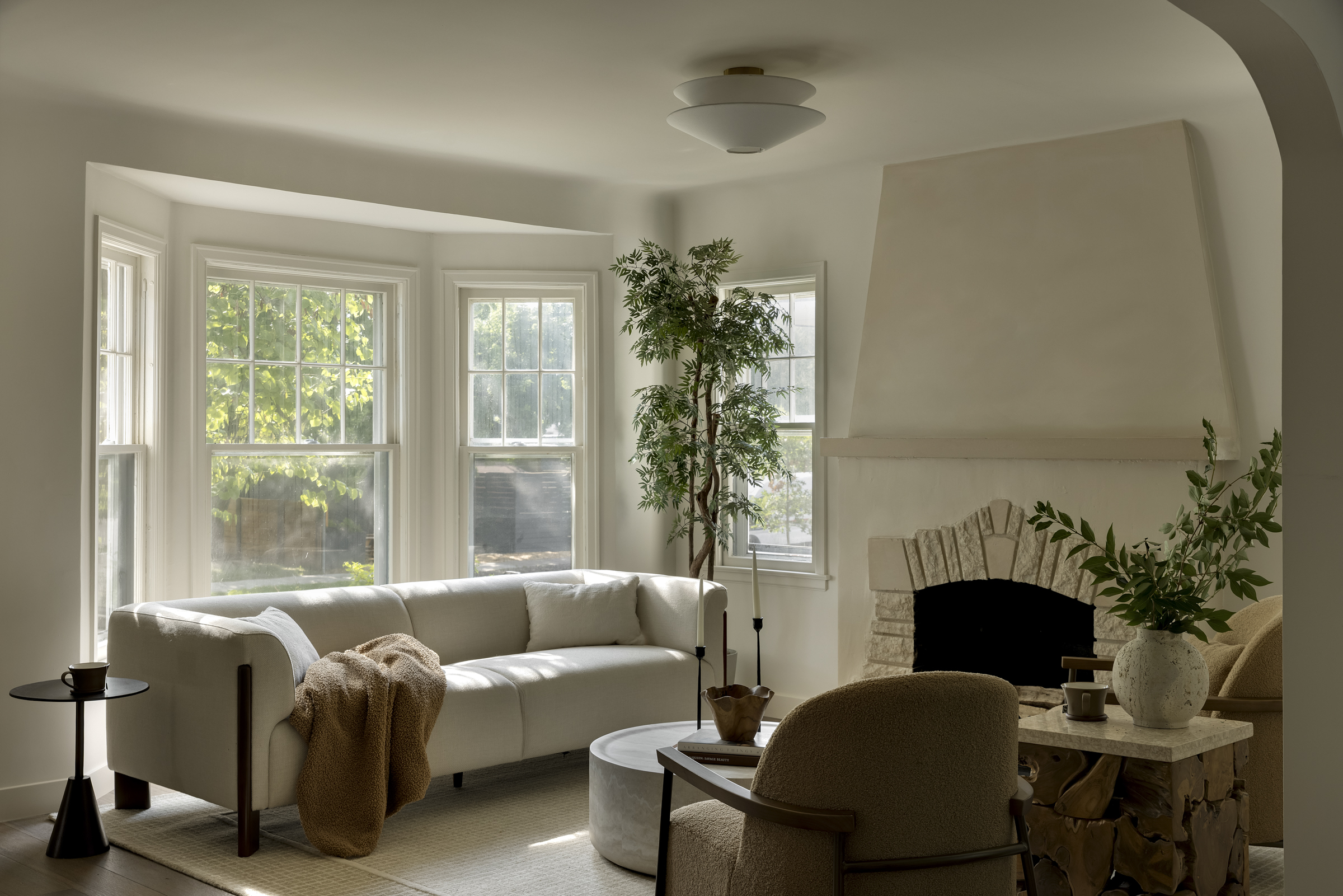
Thoughtful Renovations Create Better Outcomes. Always.
For buyers, that means improved flow, better functionality, and homes that feel immediately trustworthy. For investors, it means stronger positioning, bigger returns, and portfolio growth built on intention—not shortcuts.
Here’s how we transformed this dated 1930’s Tudor into a property that outshined the rest.
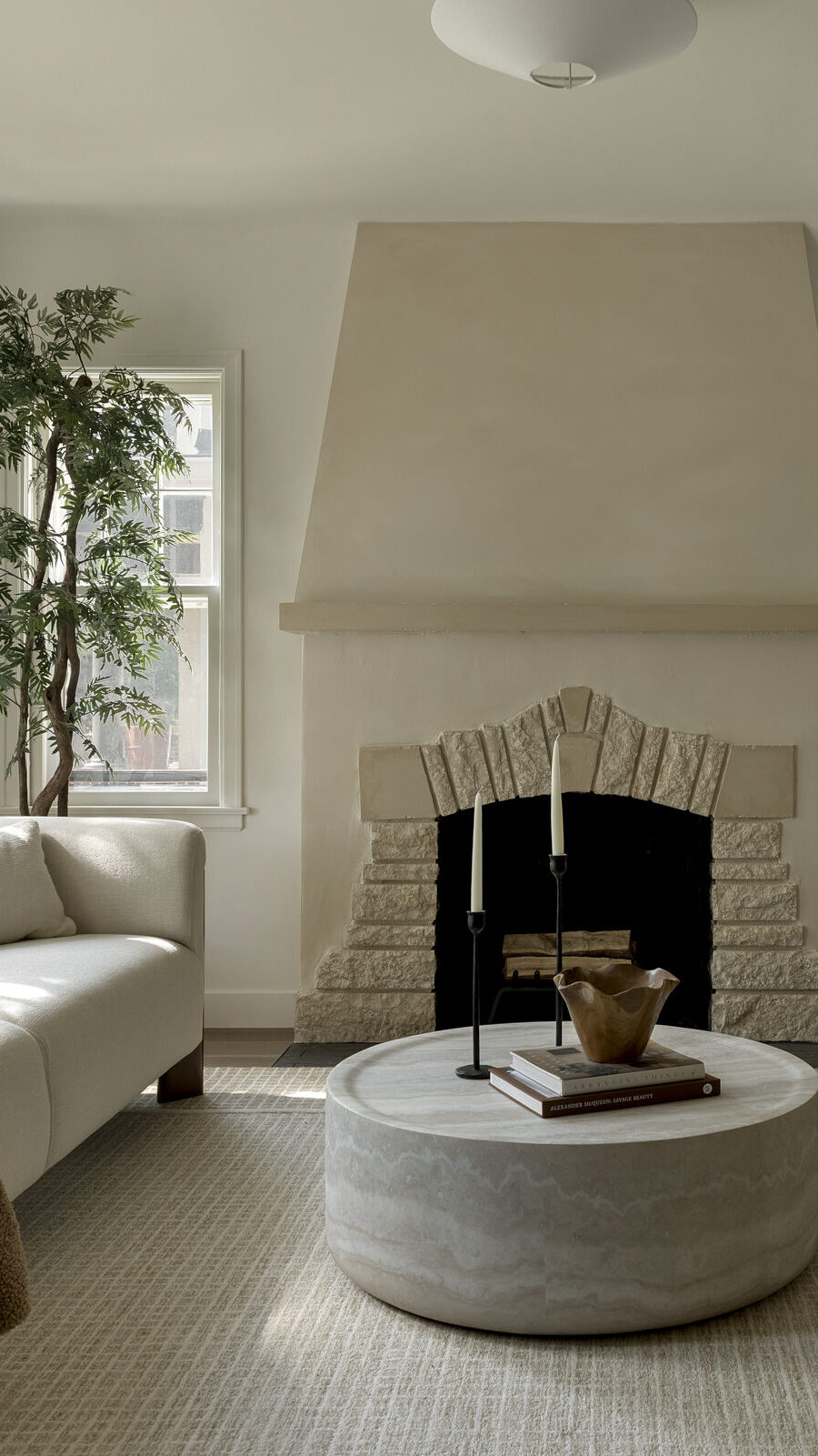
Project: The Revival
Location: The 50th & France Corridor, Minneapolis
Scope: Investor renovation: strategy, full-service design, space planning, renovations, material selections, furnishings, styling, and listing presentation.Photo Credit: Bo Carlock / Spacecrafting
Featured in: Edina Lifestyle Magazine Investment Issue
Historic Charm, Modern Friction, Smarter Decisions: The Drew Ave Transformation
Set in one of Minneapolis’ most beloved neighborhoods, this historic Tudor offered everything people love about older homes—architectural character, permanence, warmth, and the kind of details newer construction rarely replicates.
Yet charm alone doesn’t make a home function well.
Behind the character, the layout interrupted daily life. Key spaces lacked purpose. Storage opportunities sat underutilized. Although the home carried emotional appeal, the lived experience felt disconnected.
That tension often defines the most interesting projects.
Rather than modernizing for the sake of modernizing, we focused on clarifying what already existed. We preserved the home’s architectural integrity, removed friction, and reshaped the experience so the function finally matched the character.
The result became a full-scale transformation rooted in strategic design, thoughtful restraint, and a deep respect for the home itself—one that elevated daily living while significantly strengthening market performance.
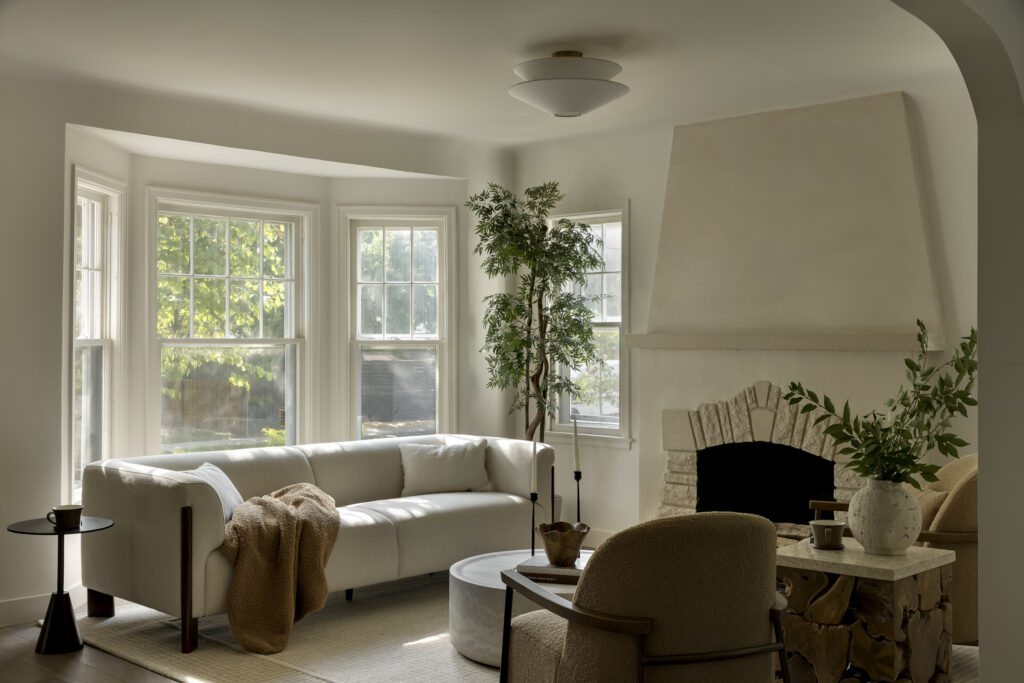
AFTER
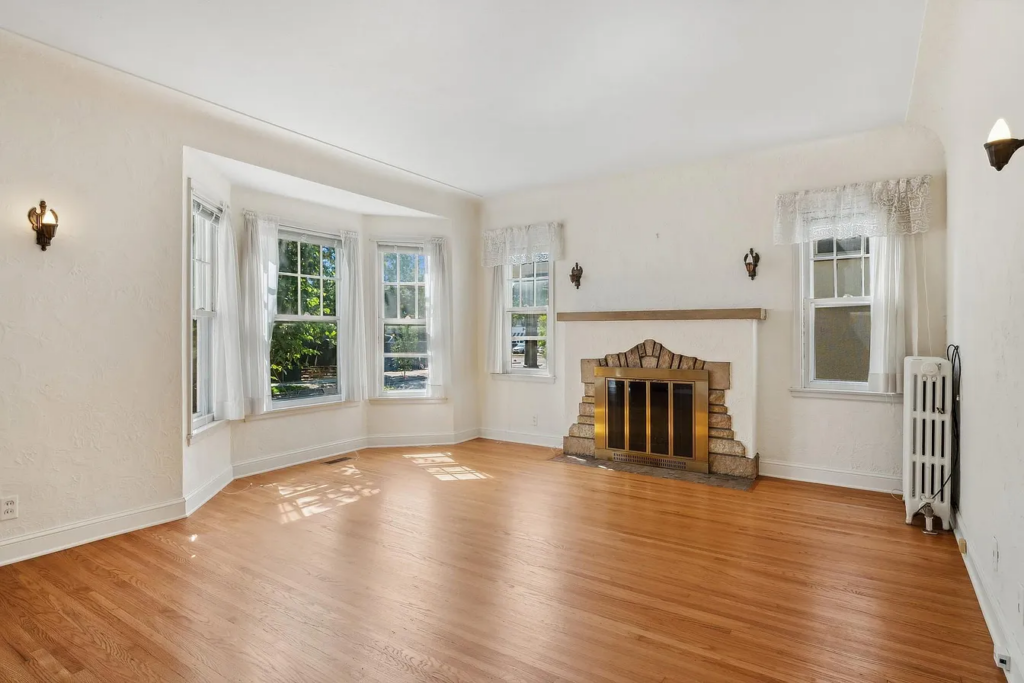
BEFORE
The Opportunity – Crafting The Homes Story
Beautiful homes still create frustration.
In fact, some of the most charming homes create the most functional friction.
Drew held extraordinary potential from the start. The architecture created an immediate emotional response, while the original character gave the home a sense of authenticity and permanence.
However, living in the space told a different story.
The kitchen disrupted the natural rhythm of daily life rather than supporting it. Storage lacked intention. Meanwhile, the primary suite no longer reflected the level of comfort and ease modern living demands. Several areas felt fragmented, while others simply failed to reach their potential.
This is where many renovations lose direction.
Too often, projects default to isolated upgrades—a new fixture here, fresh tile there, a trend-forward kitchen meant to “increase value.”
But isolated upgrades rarely create cohesive homes.
And cohesive homes create trust.
Before selecting a single finish, we stepped back and asked the more important question:
What should this home become?
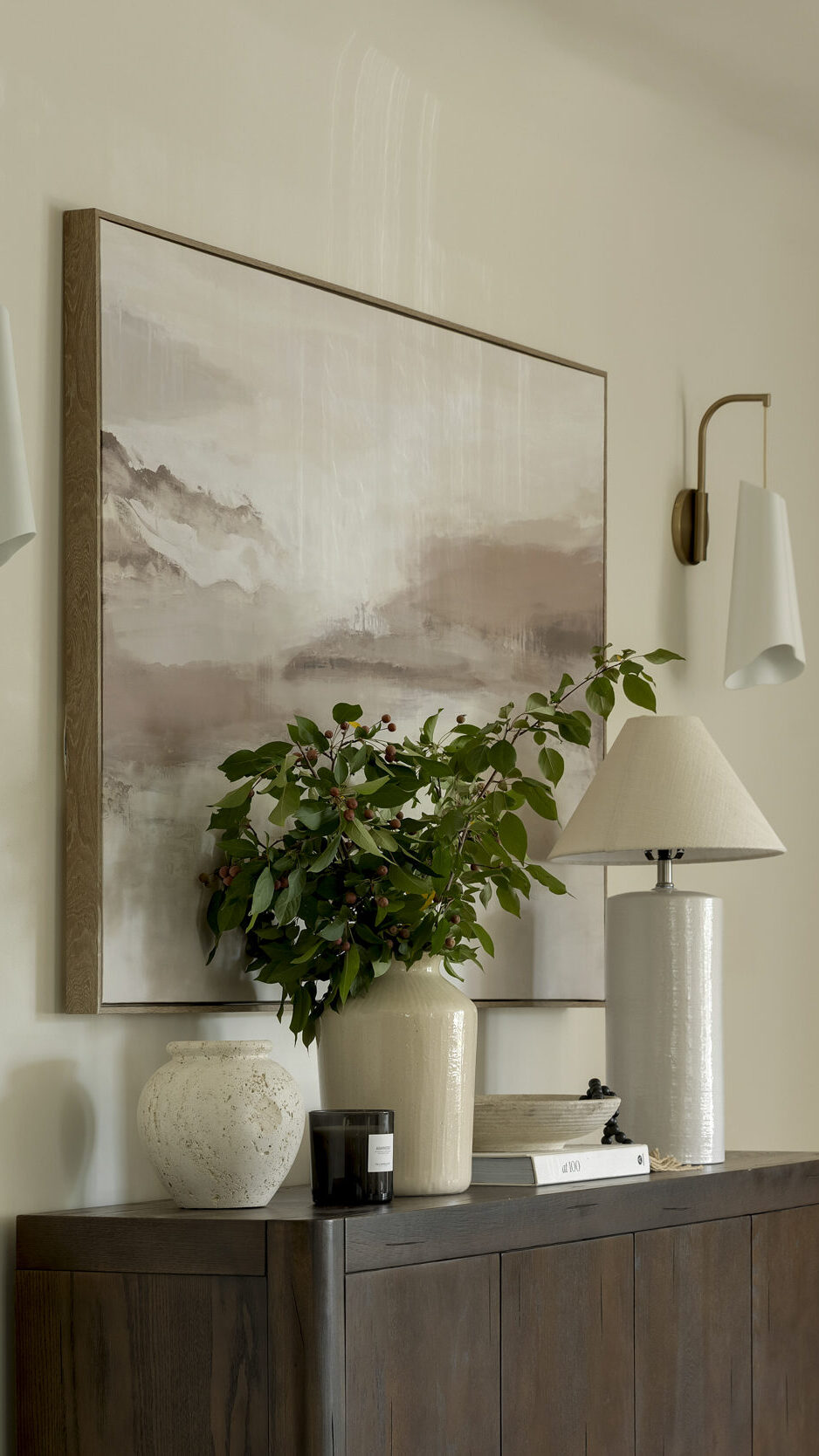
Strategic Design For Investor-Led Renovations – Our Approach
From the beginning, we refused to treat Drew as a collection of disconnected room updates. Instead, we approached it as a complete experience—studying how movement unfolded through the home, where daily routines felt interrupted, and which design decisions could create meaningful transformation.
That strategic lens shaped every intervention.
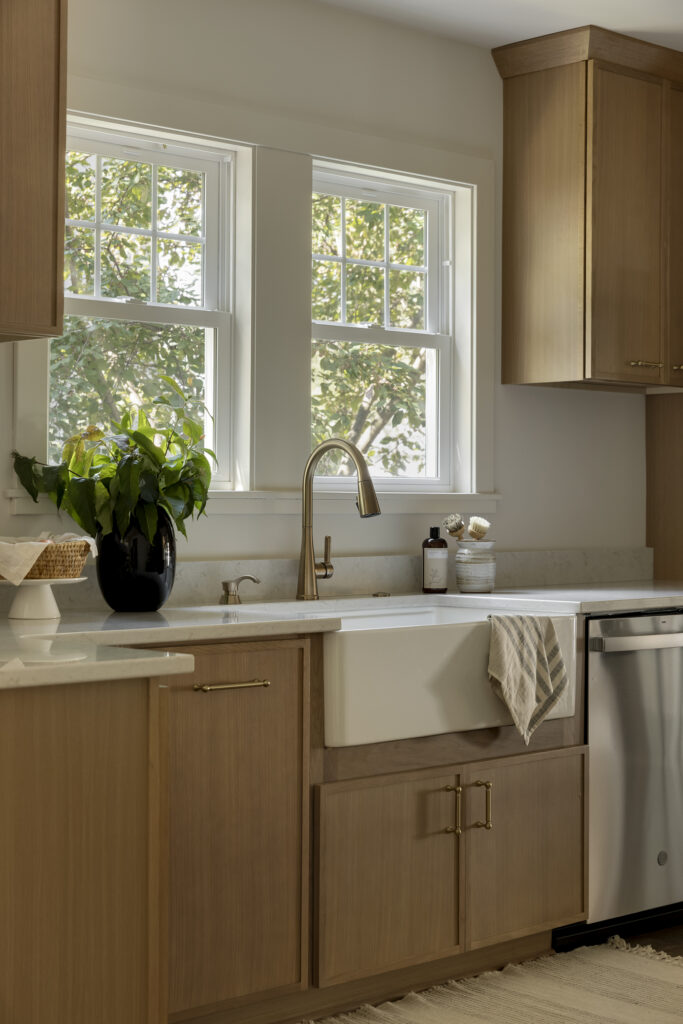
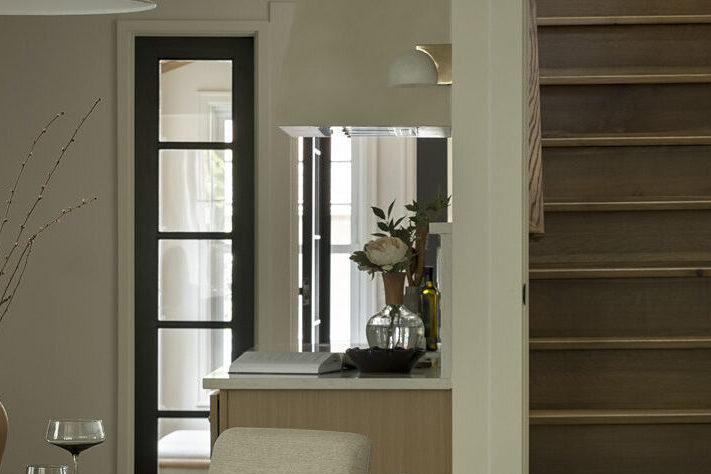
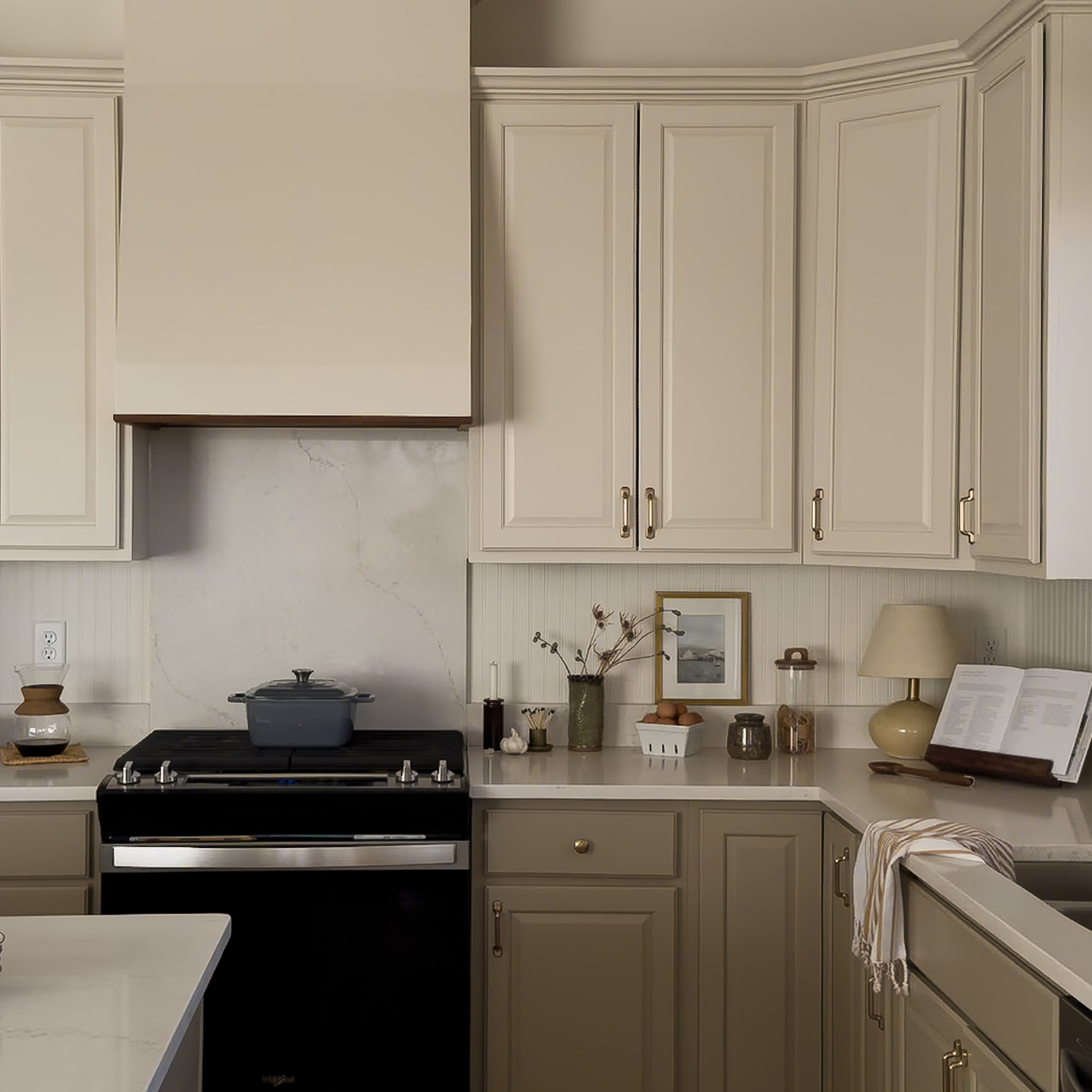
We opened the kitchen to improve connection, visibility, and flow.
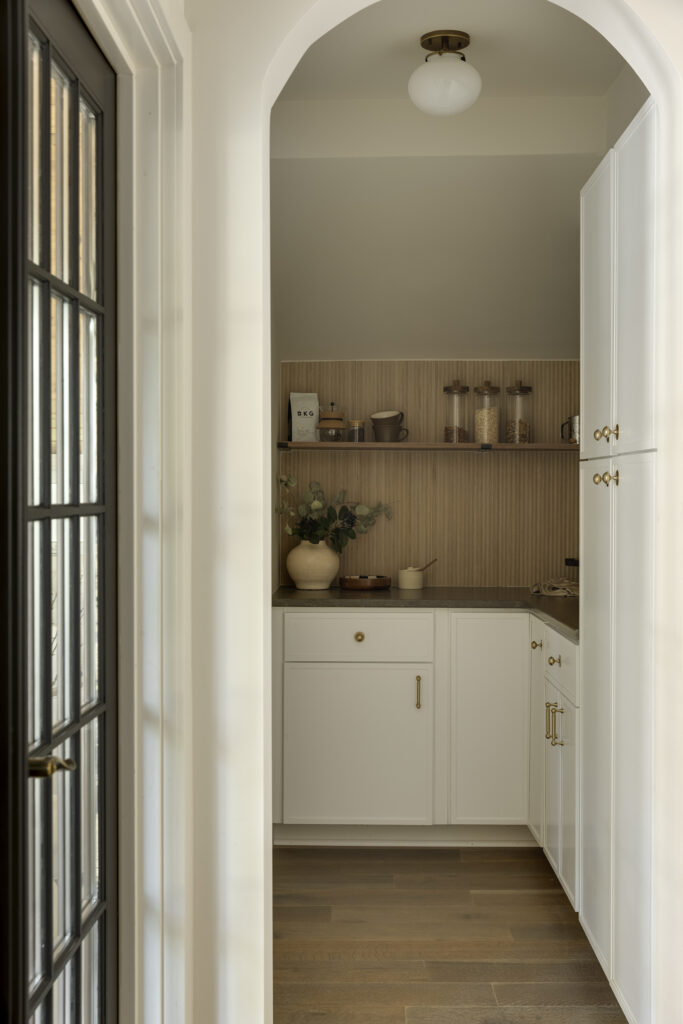
An awkward closet became a fully functional butler’s pantry.
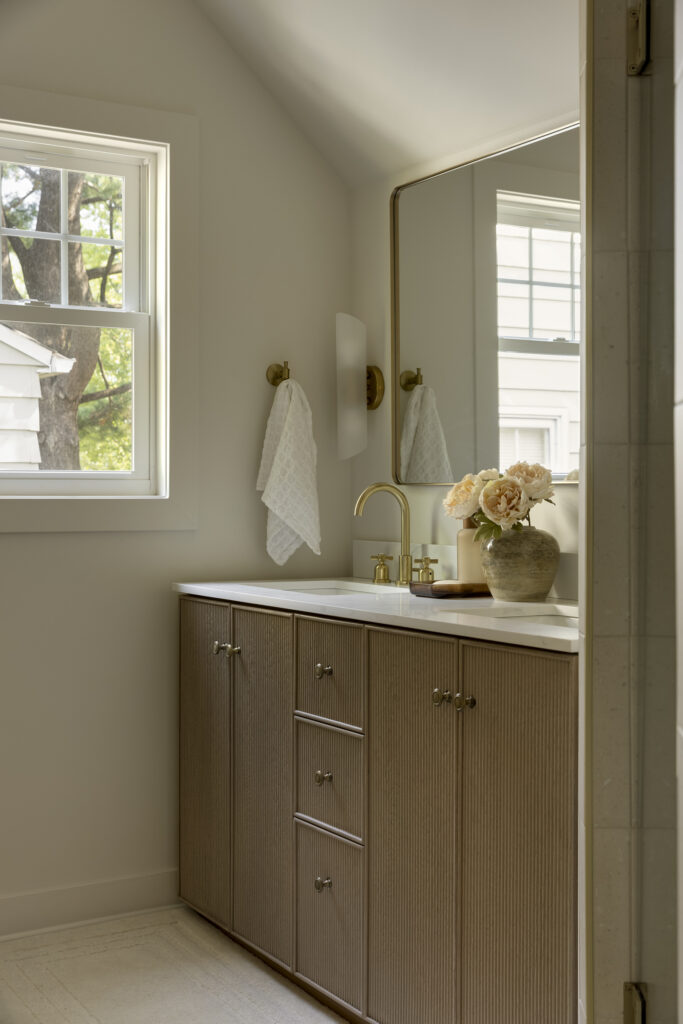
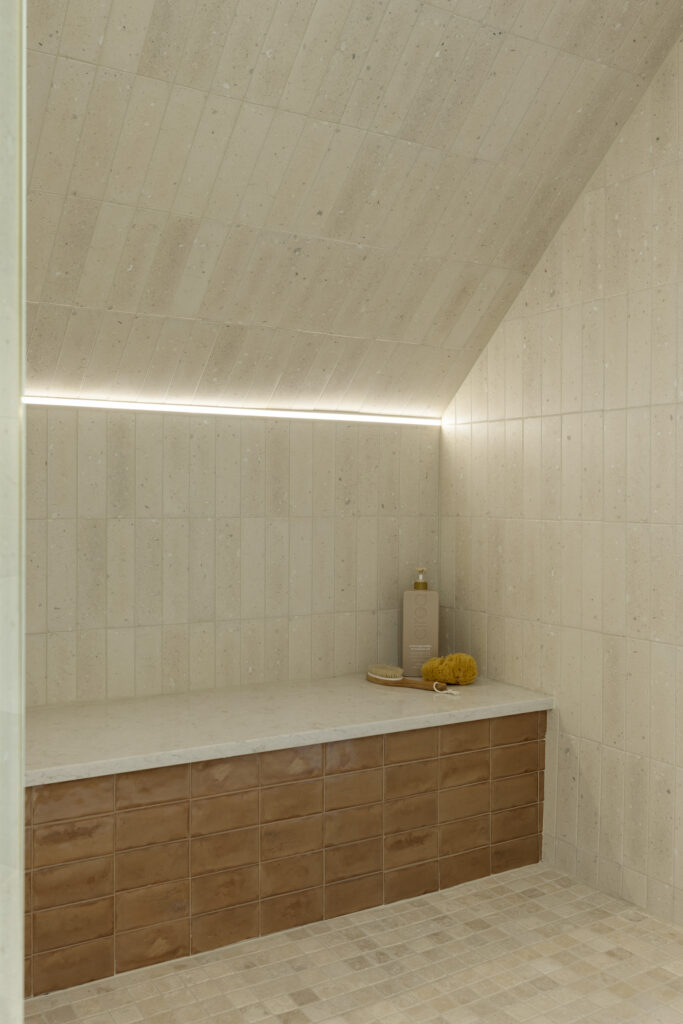
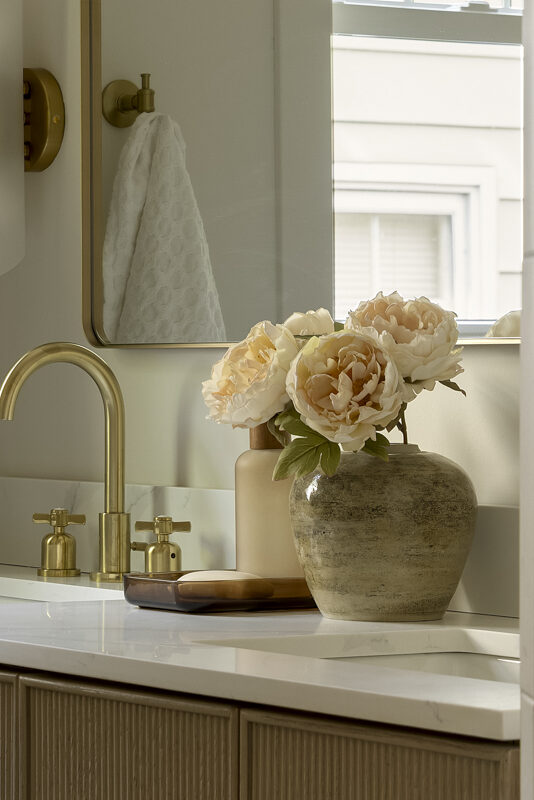
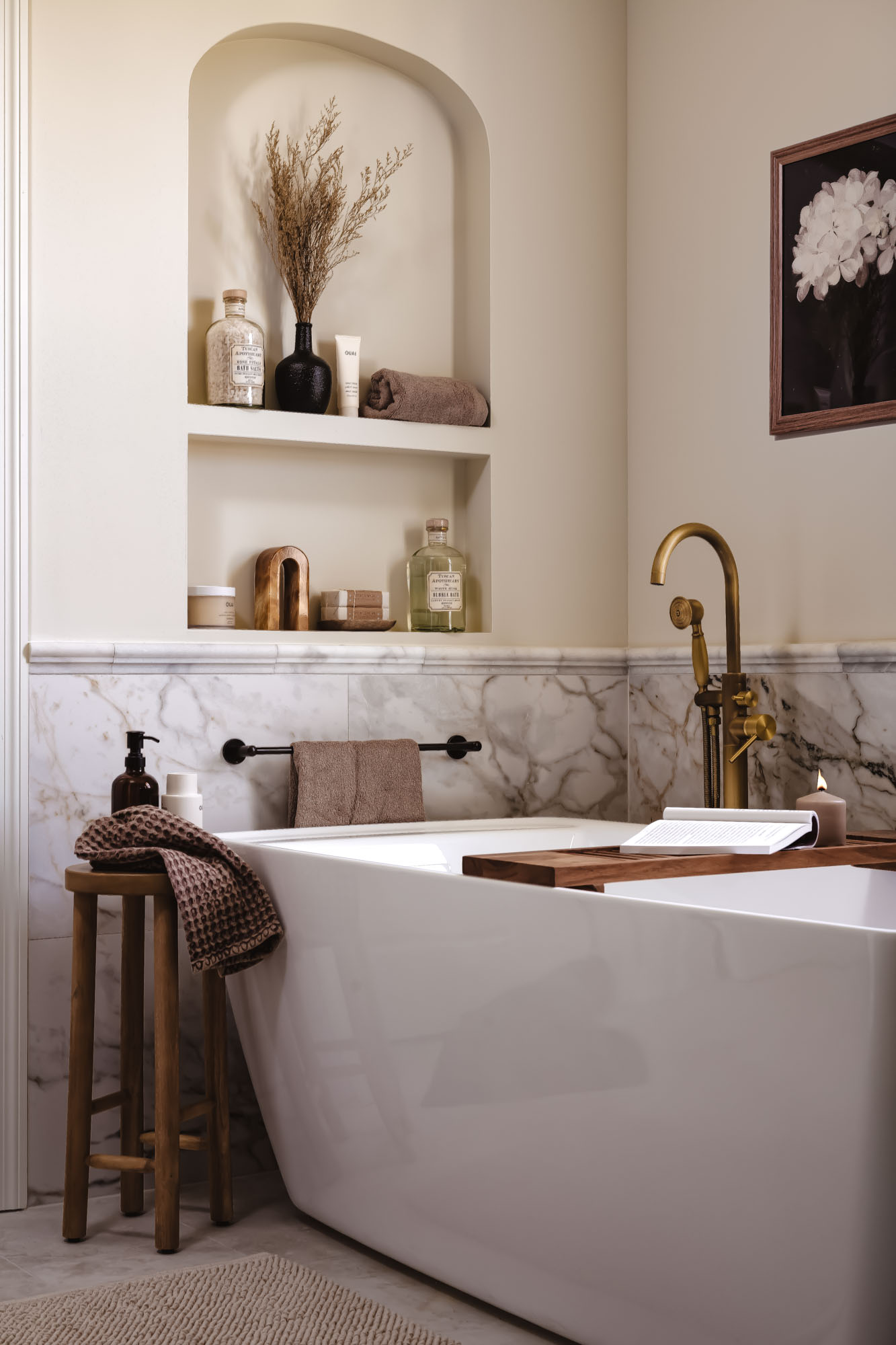
In the primary suite, we reworked the layout to accommodate a spacious “super shower” and dual vanity, creating a stronger sense of calm and functionality.
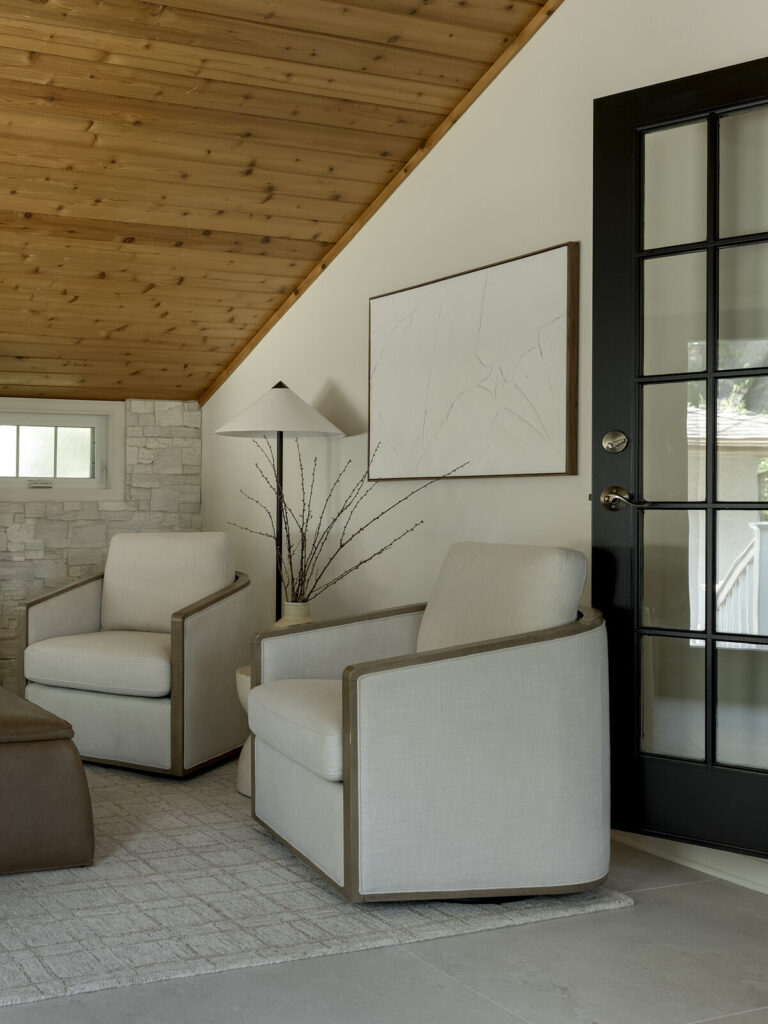
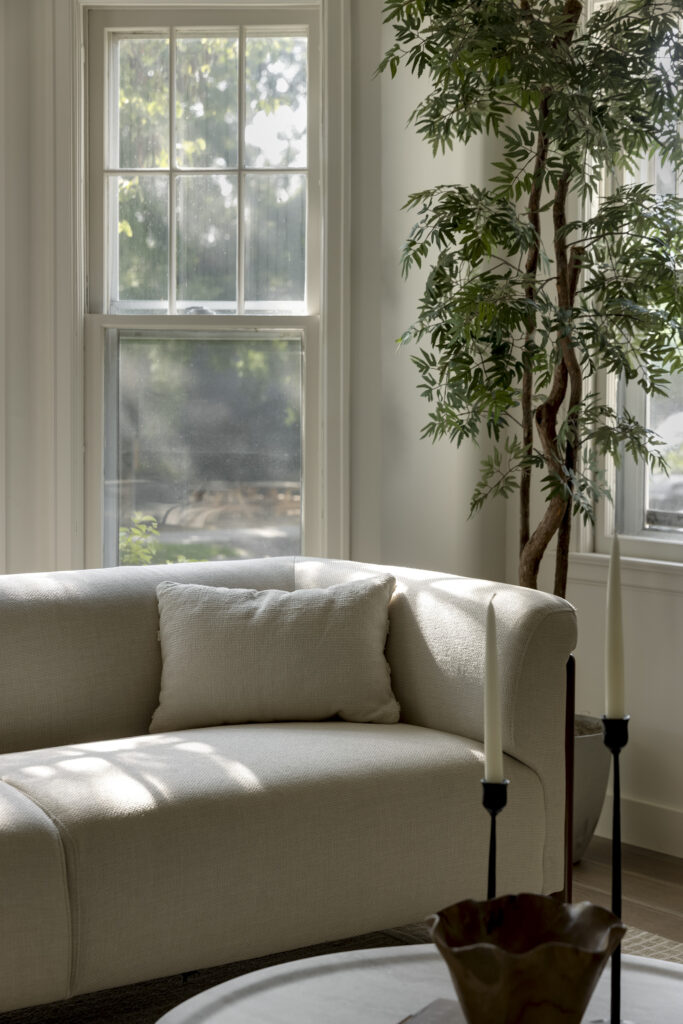
Elsewhere, we refined the sunroom into a more intentional extension of everyday living.
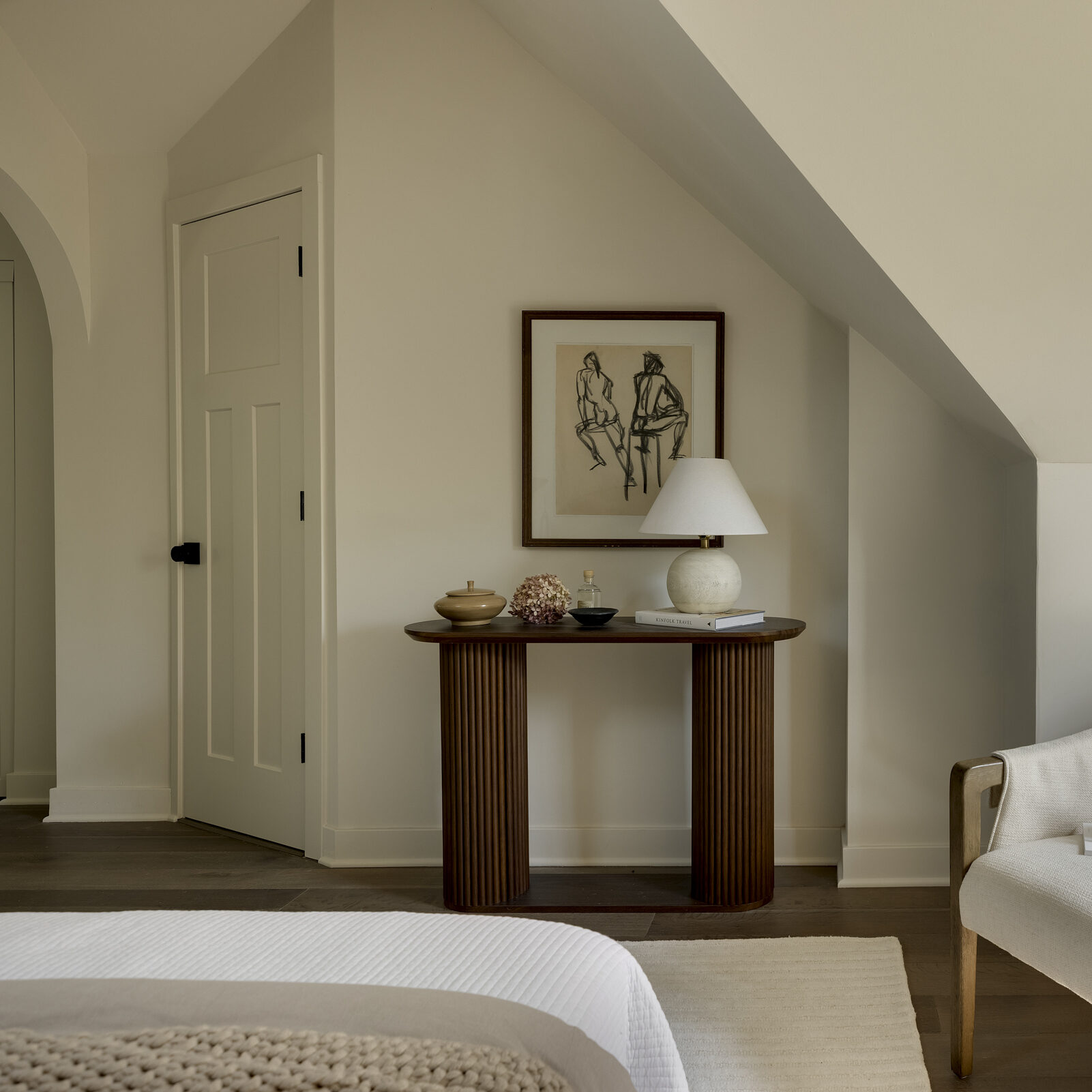
At the same time, we strengthened continuity through materials, proportion, and architectural restraint.
The goal was never to make the home feel new.
The goal was to make it feel resolved.
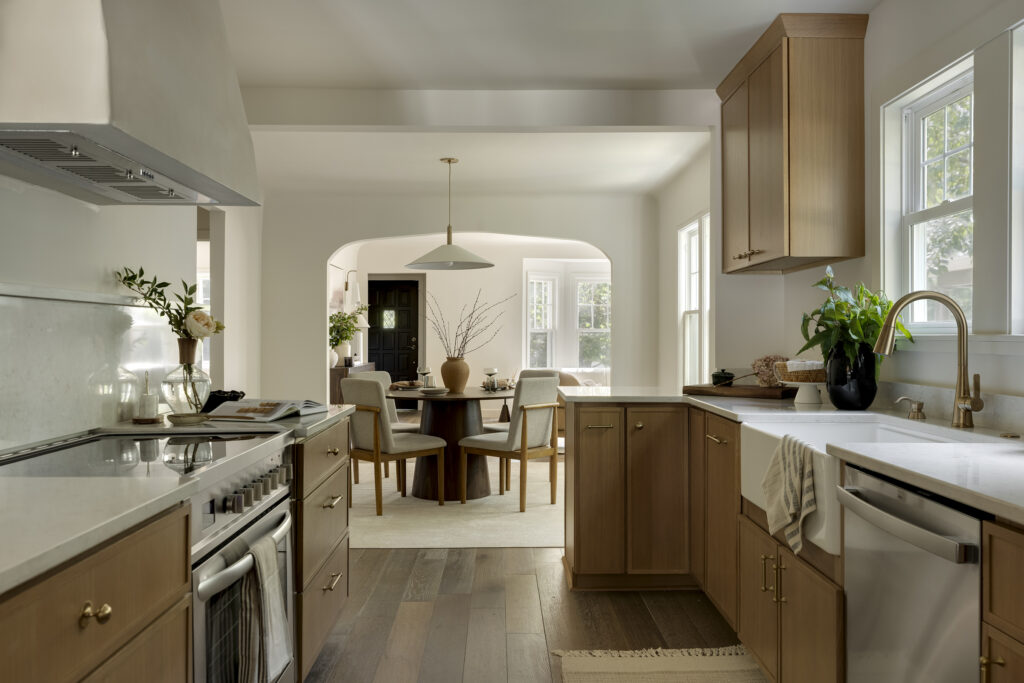
AFTER
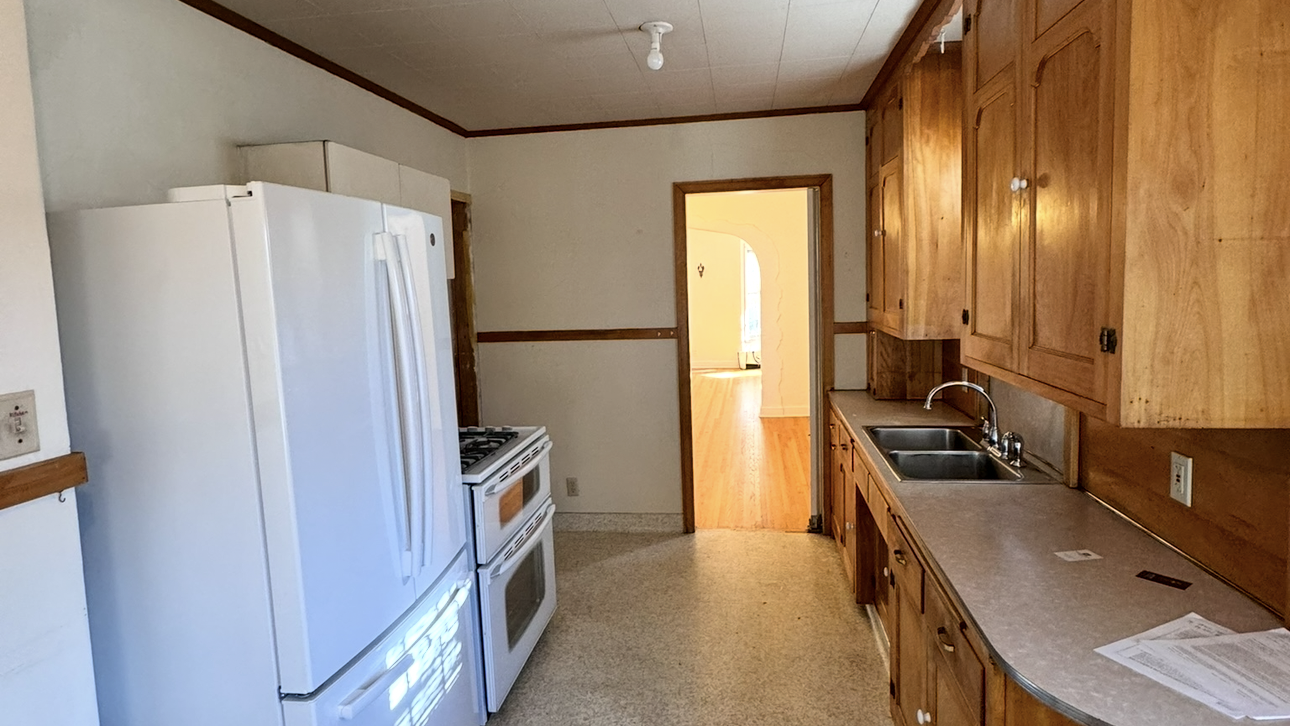
BEFORE
The Devils In The Details: Materials & The Small Stuff That Matter Most
Strong homes earn trust through consistency.
People may not consciously articulate why one home feels elevated while another feels unsettled, but they absolutely feel the difference.
At Drew, every material decision served the larger story.
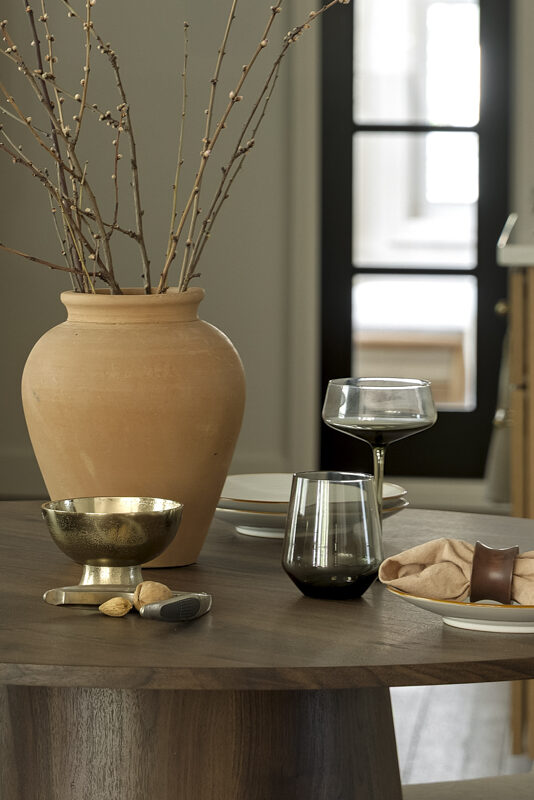
Engineered oak flooring introduced warmth, softness, and continuity underfoot while supporting durability for modern life.
Meanwhile, large-format tile helped quiet visual clutter in utility-driven spaces.
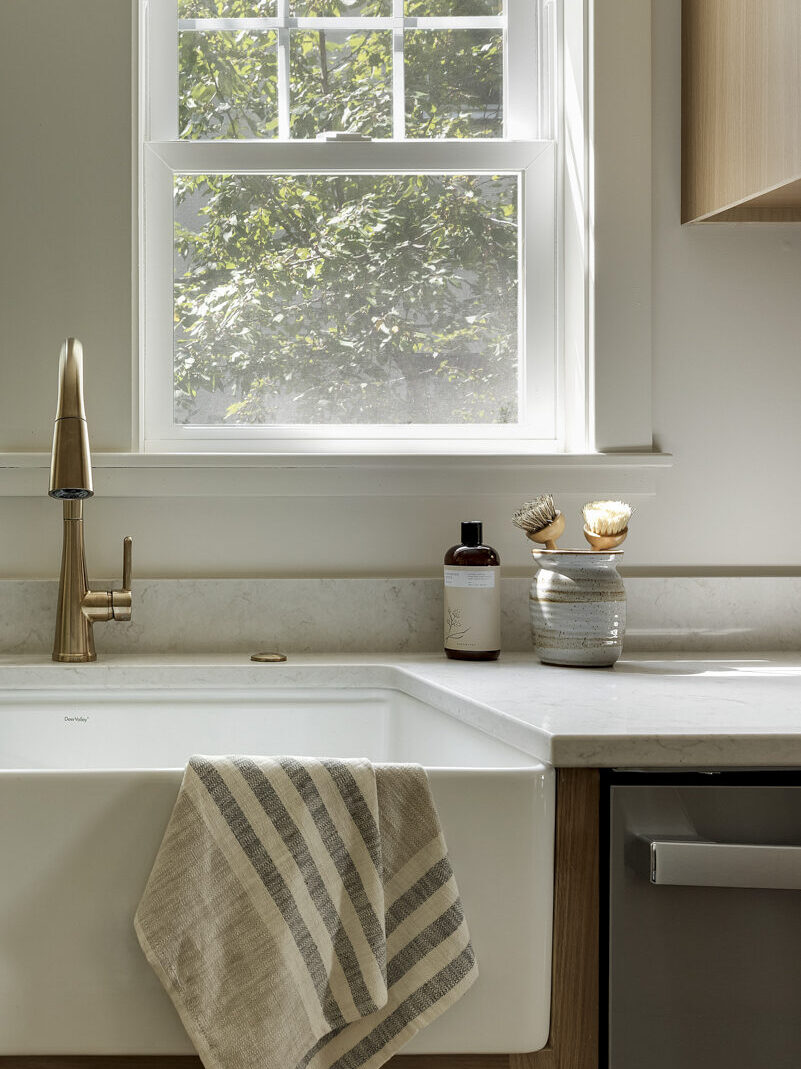
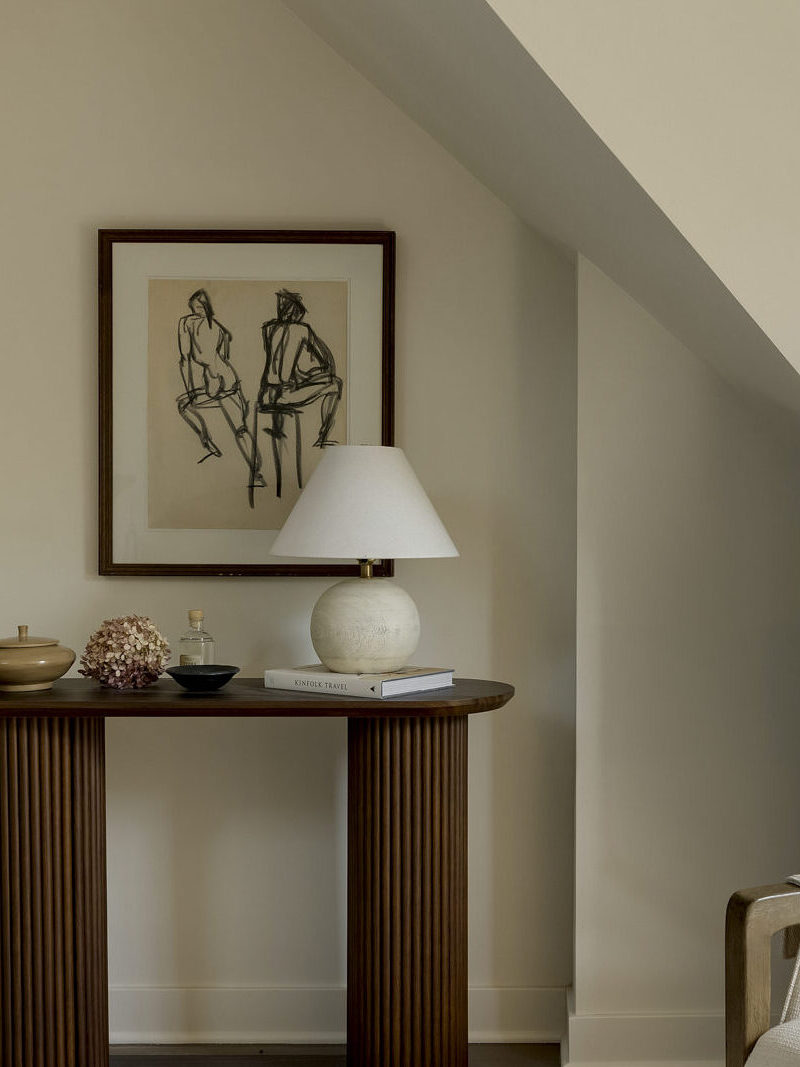
To add depth without competing against the home’s historic architecture, we layered natural textures throughout the interiors.
In the sunroom, we intentionally preserved the existing pine ceiling rather than replacing it (or painting over it as many flips tend to do) because, authenticity matters, and not every original element needs correction.
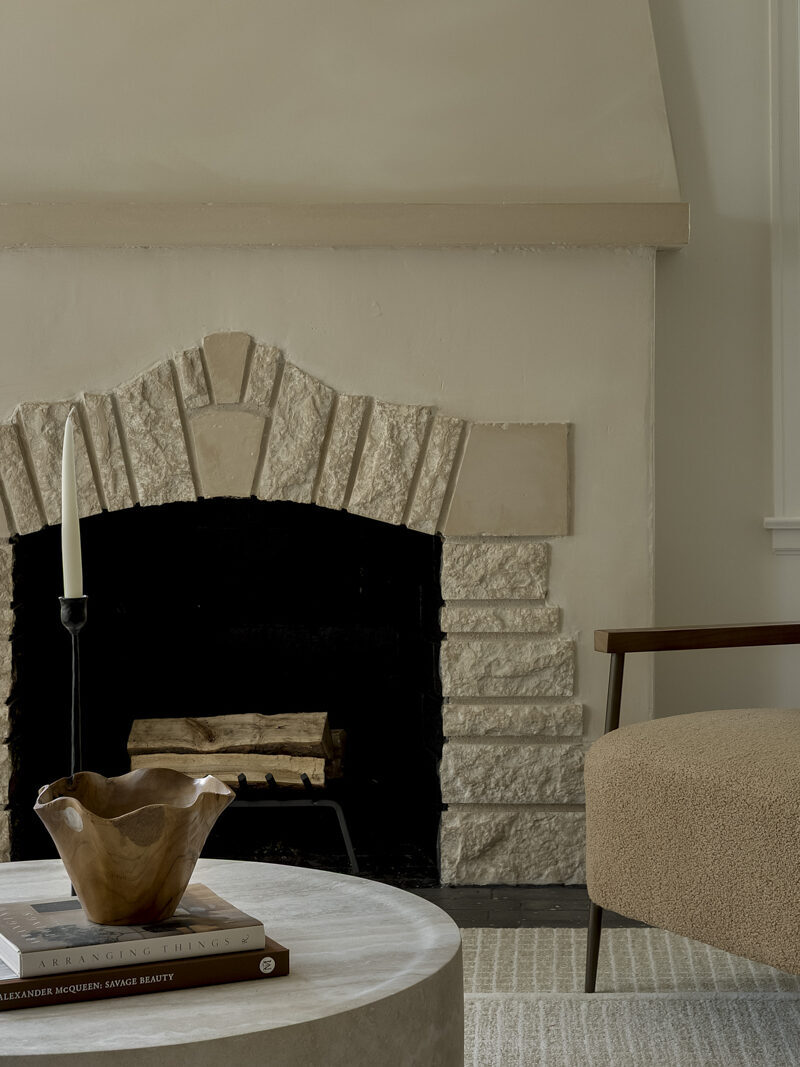
Likewise, the fireplace evolved through a modern gas insert and plaster-inspired surround, creating a stronger architectural anchor without overwhelming the room.
Rather than chasing trends, we focused on permanence.
Because memorable homes rarely rely on one dramatic design move.
They rely on cohesion.
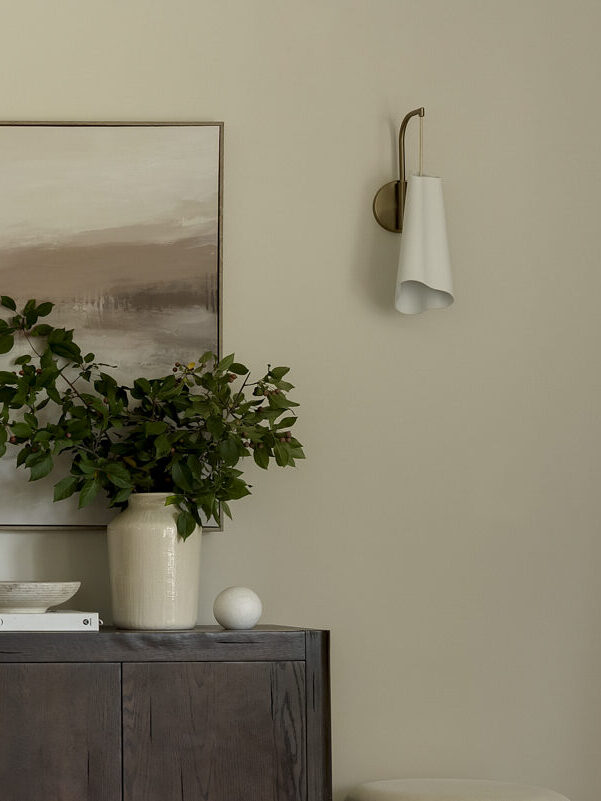
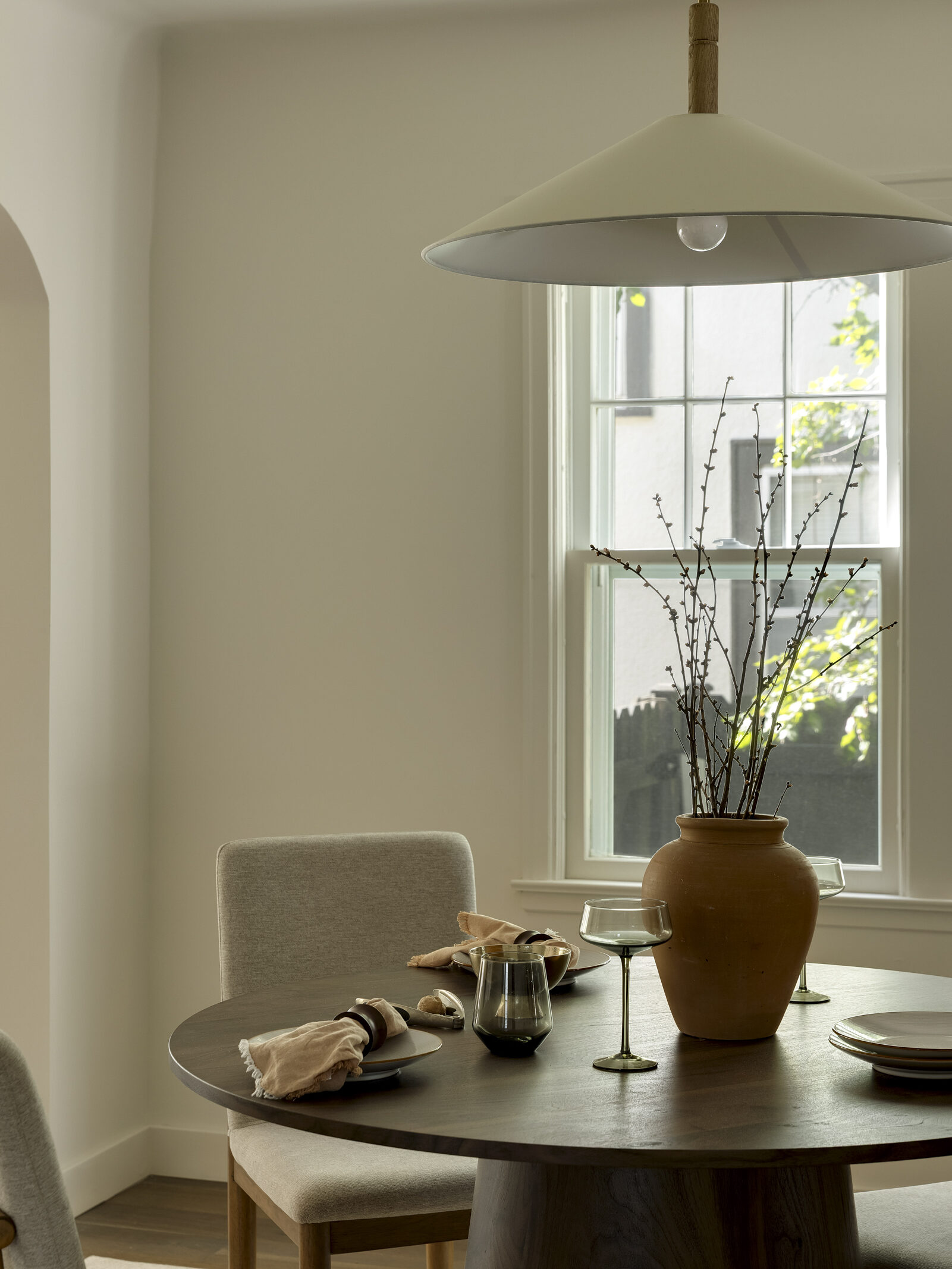
Designing For Daily Life – Creating Meaningful Utility Through Better Planning
The strongest homes do more than photograph beautifully.
They support the way life actually unfolds.
A kitchen should simplify morning routines, not complicate them.
A primary bath should create ease rather than friction.
Storage should reduce visual noise.
Movement should feel intuitive.
Thoughtful design solves problems quietly.
When done well, that emotional ease becomes one of the most valuable things a home can offer.
After all, luxury often feels less like excess and more like effortlessness.
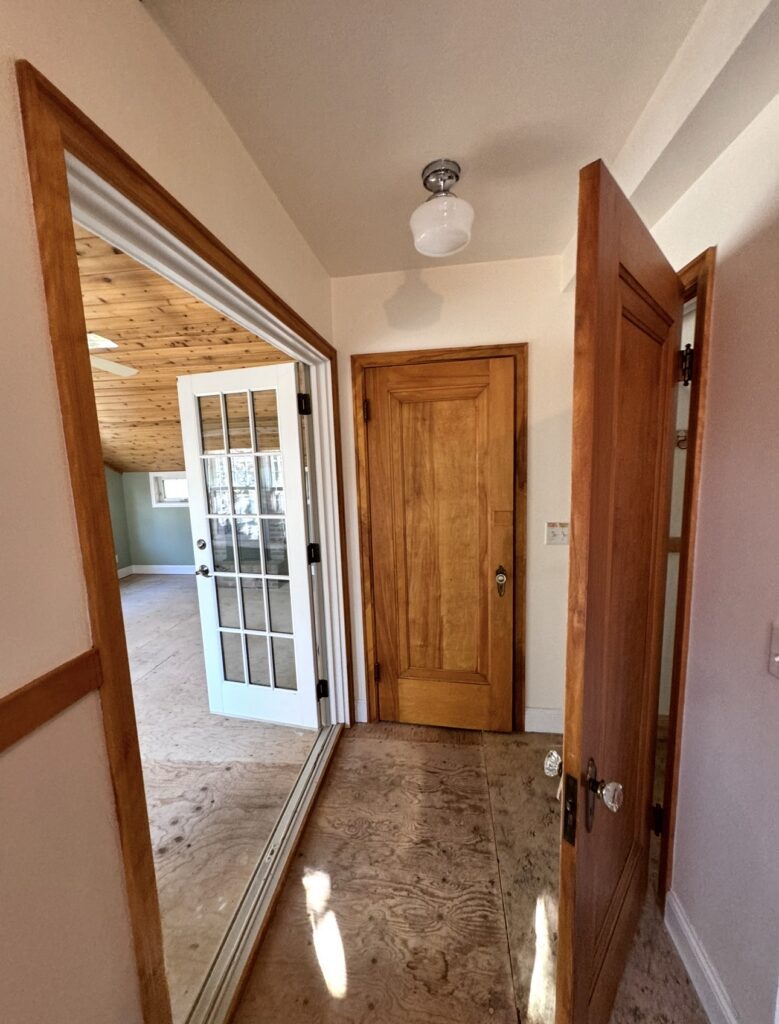
BEFORE: An awkward and underutilized closet space off of the kitchen
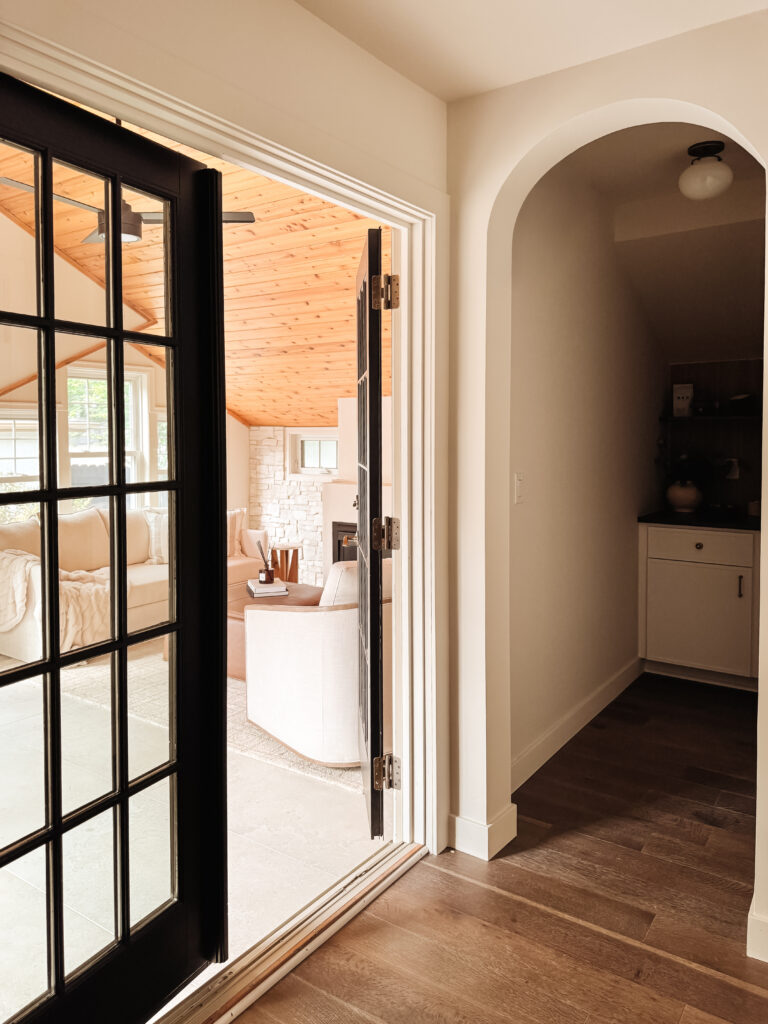
AFTER: A butler’s pantry that became a highlight feature to the home, both in functionality and in beauty.
Where Strategic Design Meets Market Performance
Thoughtful design should first improve how a home lives.
However, strong design also changes how a home performs.
Drew ultimately sold for approximately $150,000 above the originally projected after-repair value (ARV).
That result didn’t come from oversized spending.
It didn’t come from overdesigning.
And it certainly didn’t come from chasing short-term trends.
Instead, it came from disciplined decision-making.
By respecting the architecture, improving functionality, and creating visual consistency throughout the home, we shaped an experience buyers immediately understood—and emotionally connected with.
Confidence drives action.
Design creates confidence.
The Bigger Takeaway
The strongest projects rarely demand attention.
Instead, they communicate clarity.
They create trust.
They feel intentional from the first impression to the final walkthrough.
Whether designing for everyday living, future resale, or long-term investment performance, thoughtful design does far more than improve appearance.
It shapes how a home functions.
How it feels.
How people remember it.
And ultimately, how they value it.
That’s the work we care about most.
Considering Your Own Project?
Whether you’re reimagining a personal residence, preparing a property for market, or evaluating an investment opportunity, successful projects begin with strategy.
Explore our services or inquire about working together.
FAQs
How do strategic renovations increase home resale value?
Strategic renovations improve buyer perception, functionality, and emotional trust—often increasing offers and reducing hesitation.
What is pre-sale design strategy?
Pre-sale design strategy focuses on identifying the updates that most improve market positioning before listing.
Do historic home renovations increase value?
When approached thoughtfully, historic renovations that preserve character while improving functionality can significantly increase buyer appeal.

send an email
linkedin
facebook
If this post resonated, pass it along.
share this post